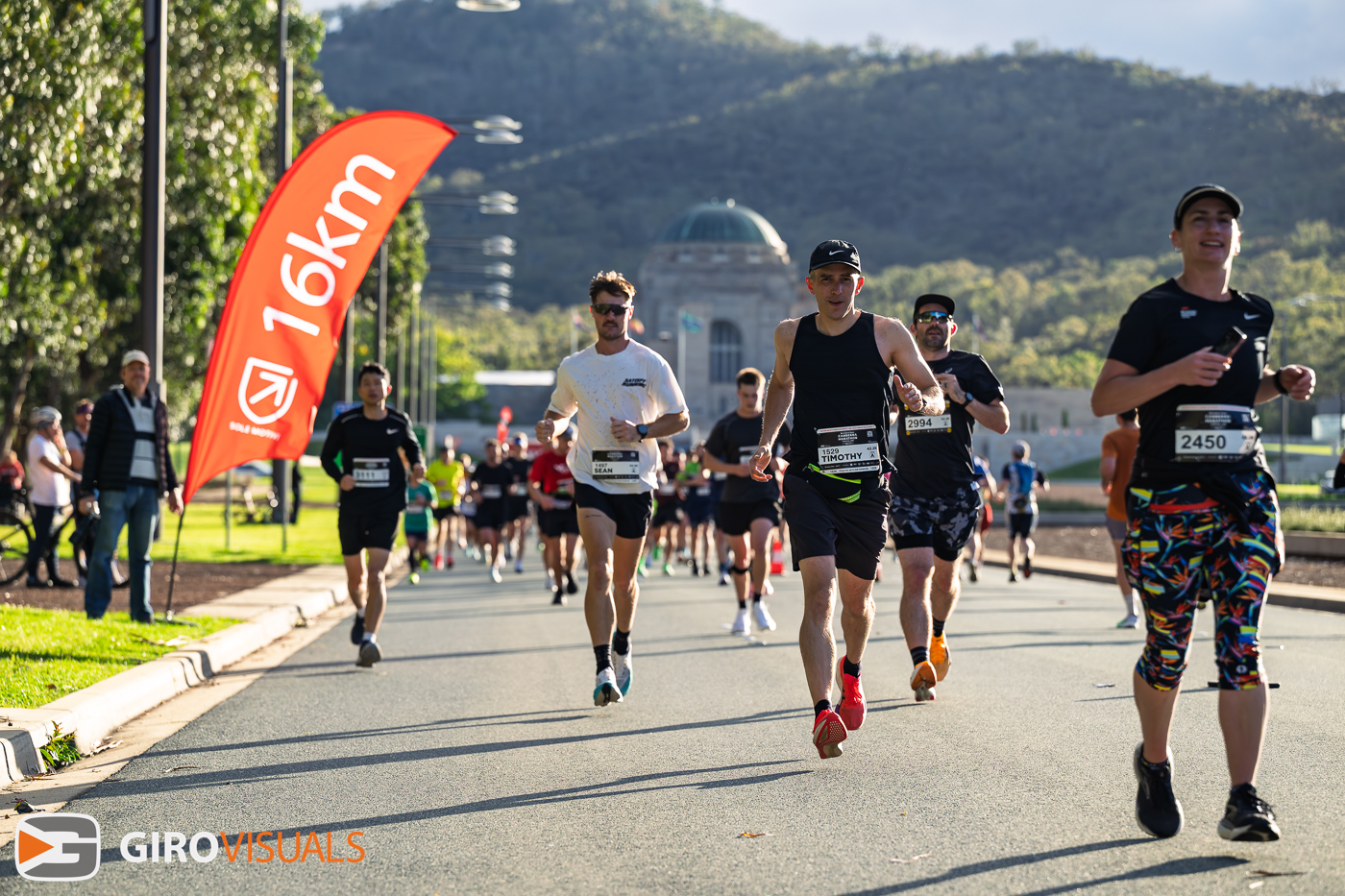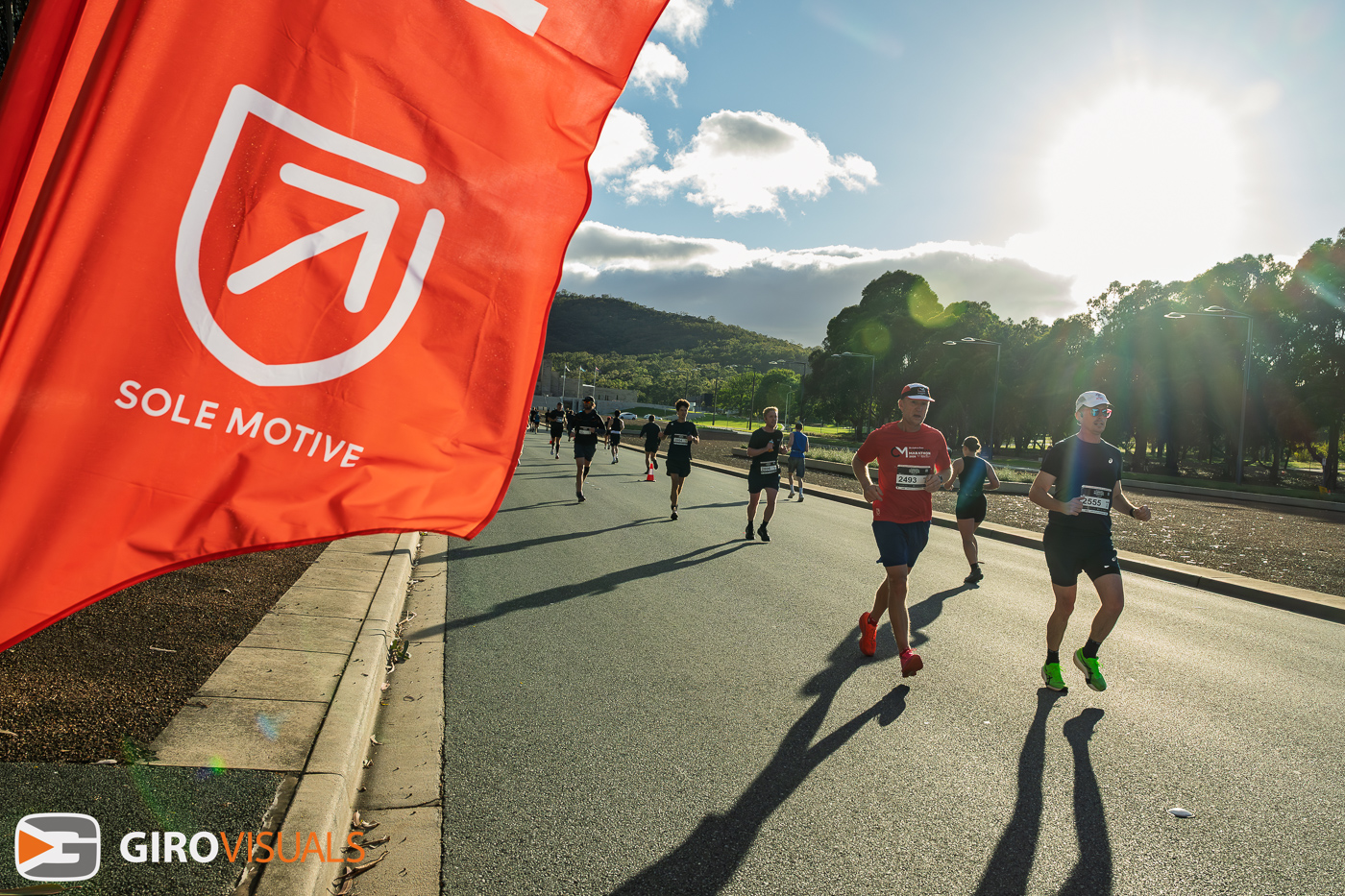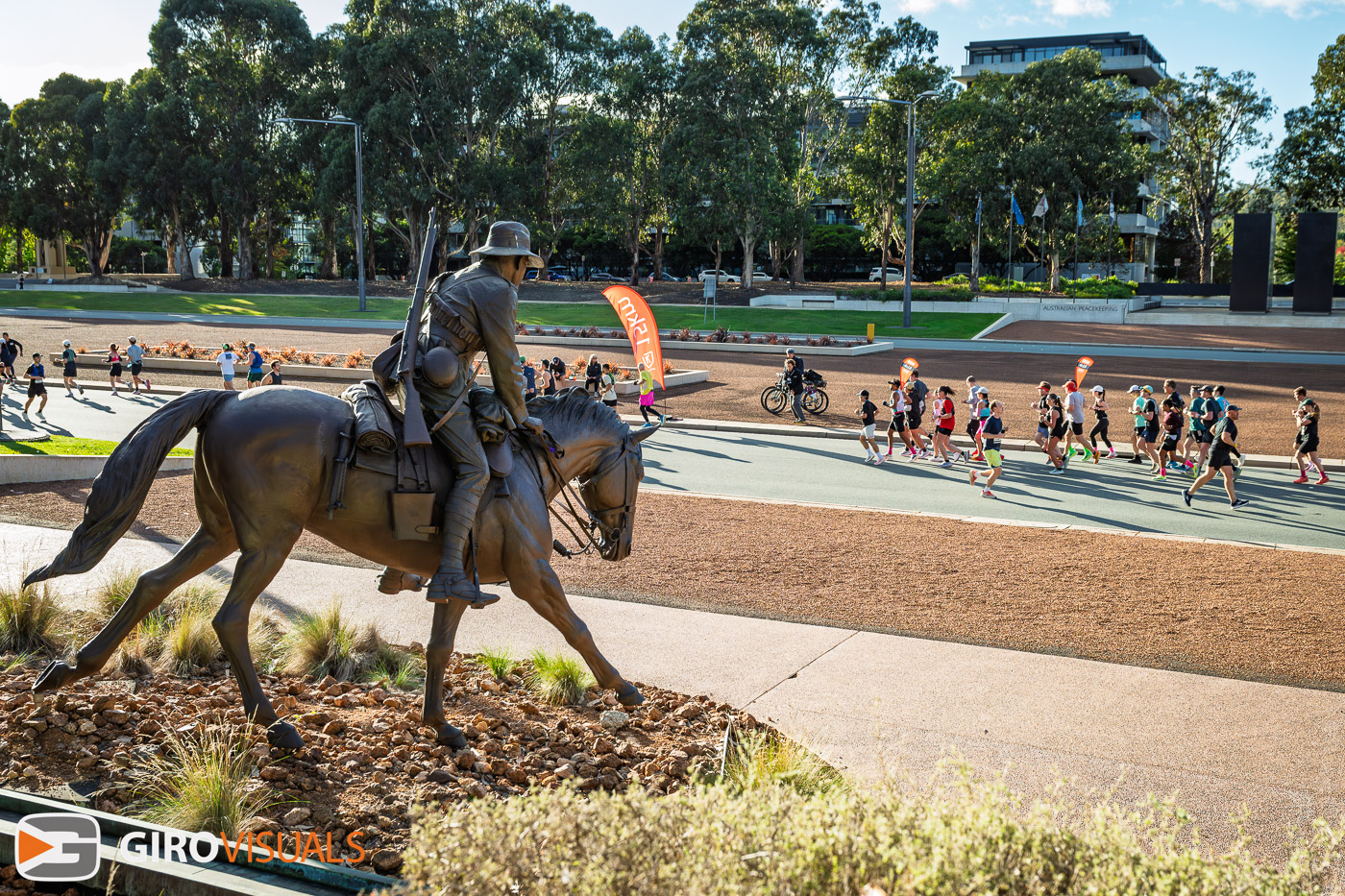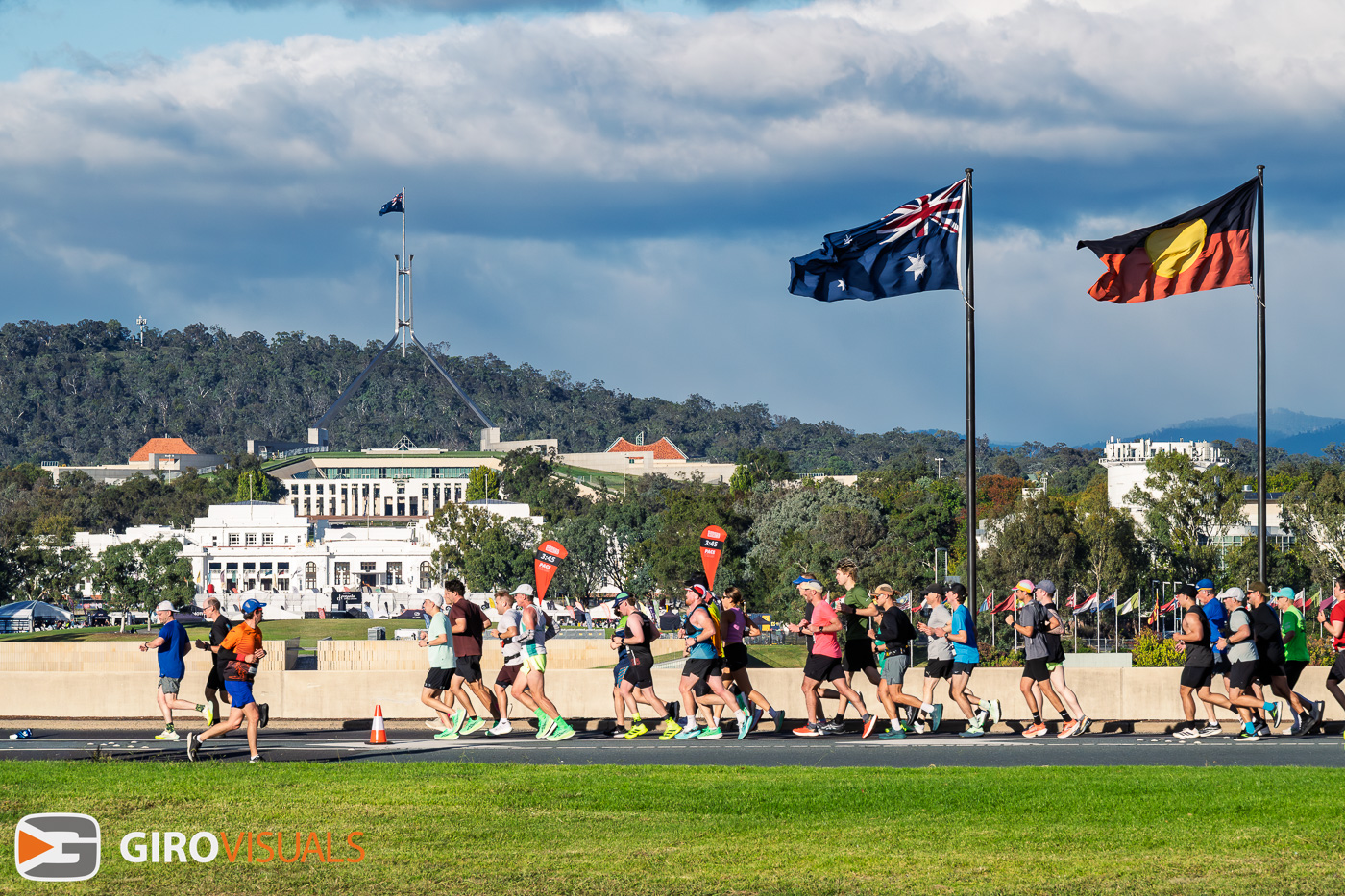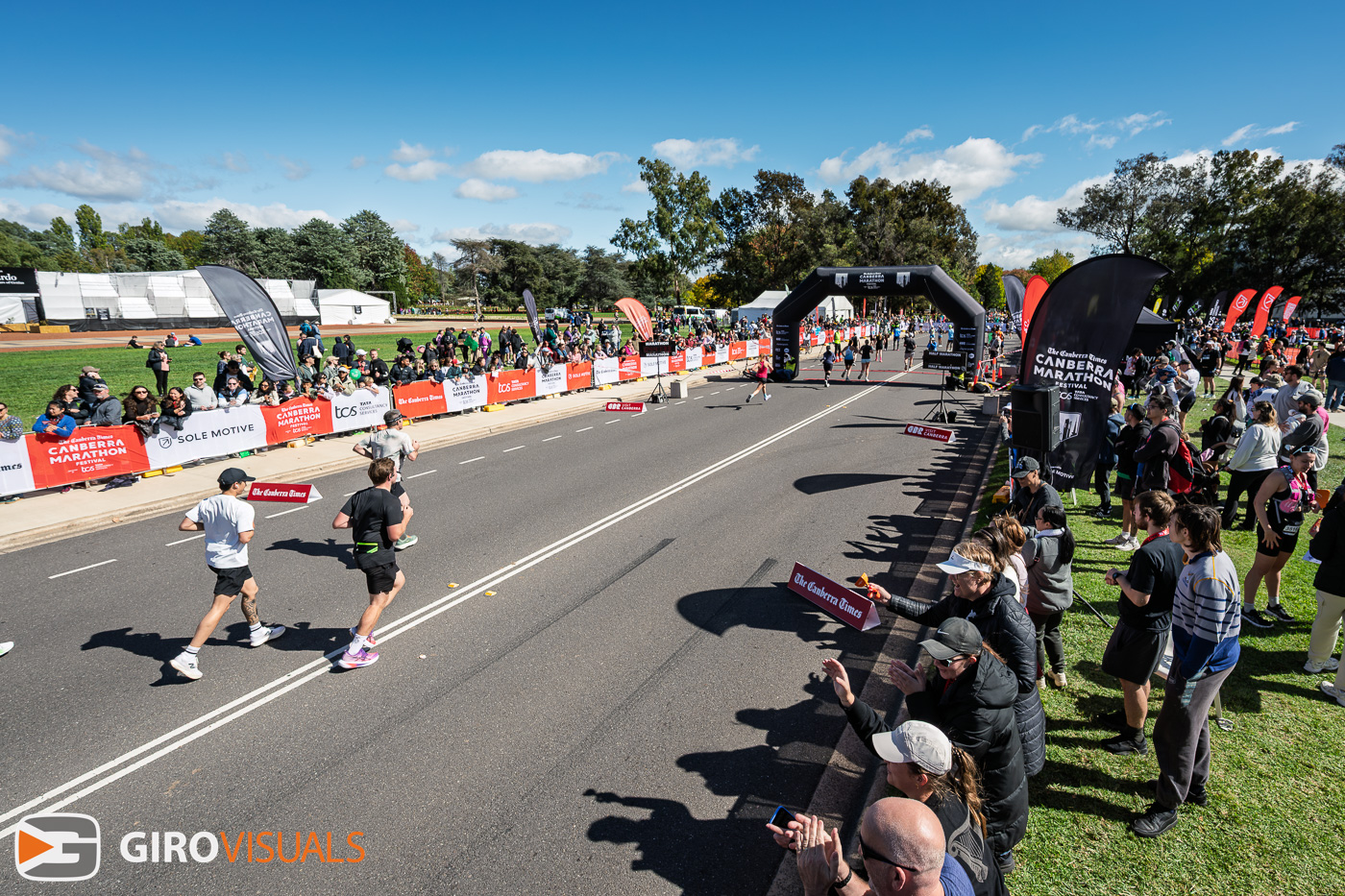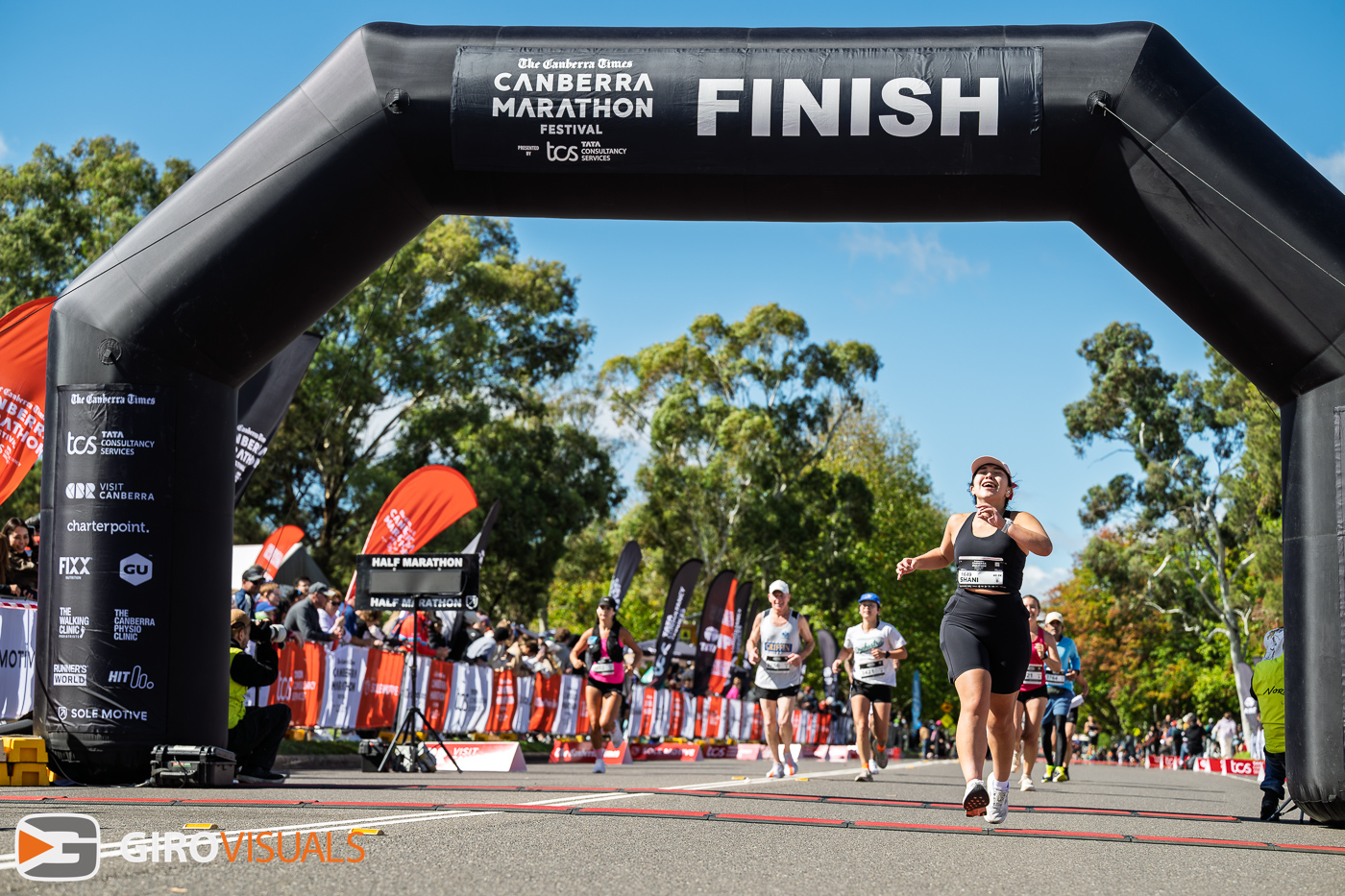
Capturing Scale and Story
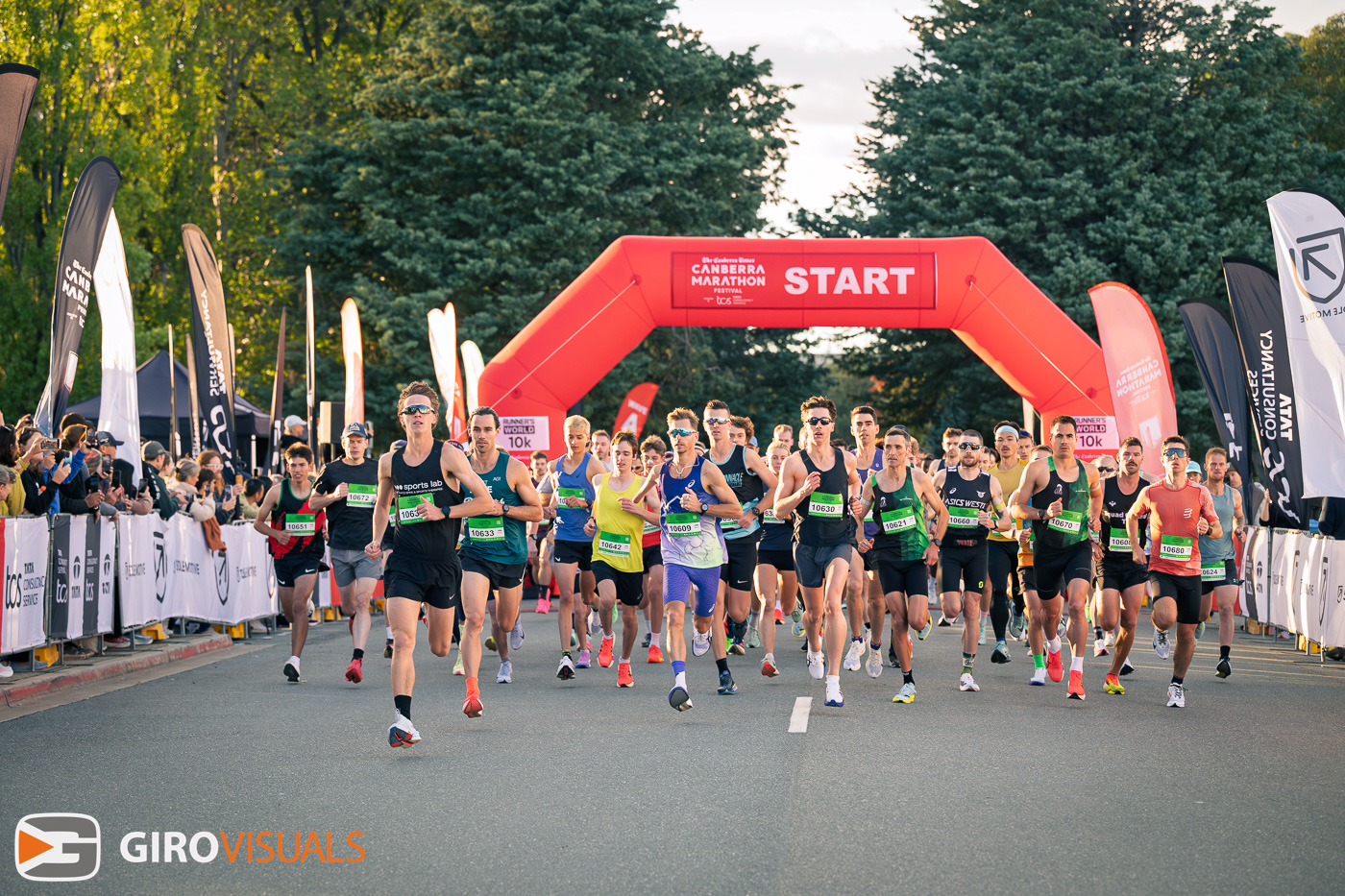
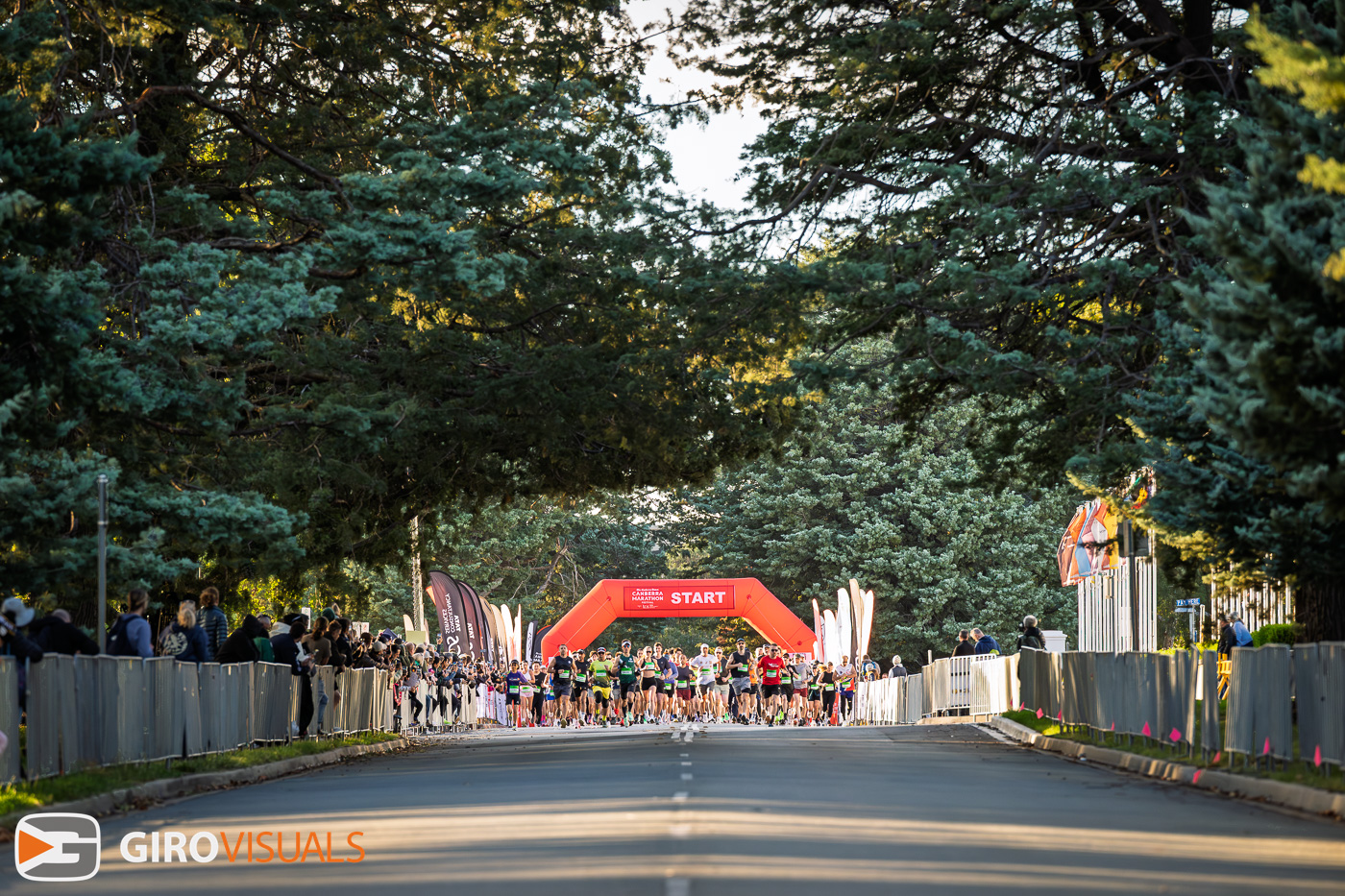
I’ve worked in Canberra for years, covering a wide range of events, so when the opportunity came up to work with Sole Motive on the Canberra Times Marathon Festival, it was an easy yes. This isn’t just any event. It’s one of the most recognised running festivals in Australia, drawing thousands of participants across multiple race distances and formats. Capturing something at that scale isn’t just about documenting what happens — it’s about understanding the rhythm of the event and delivering images that organisers can actually use to grow it.
Understanding the Brief
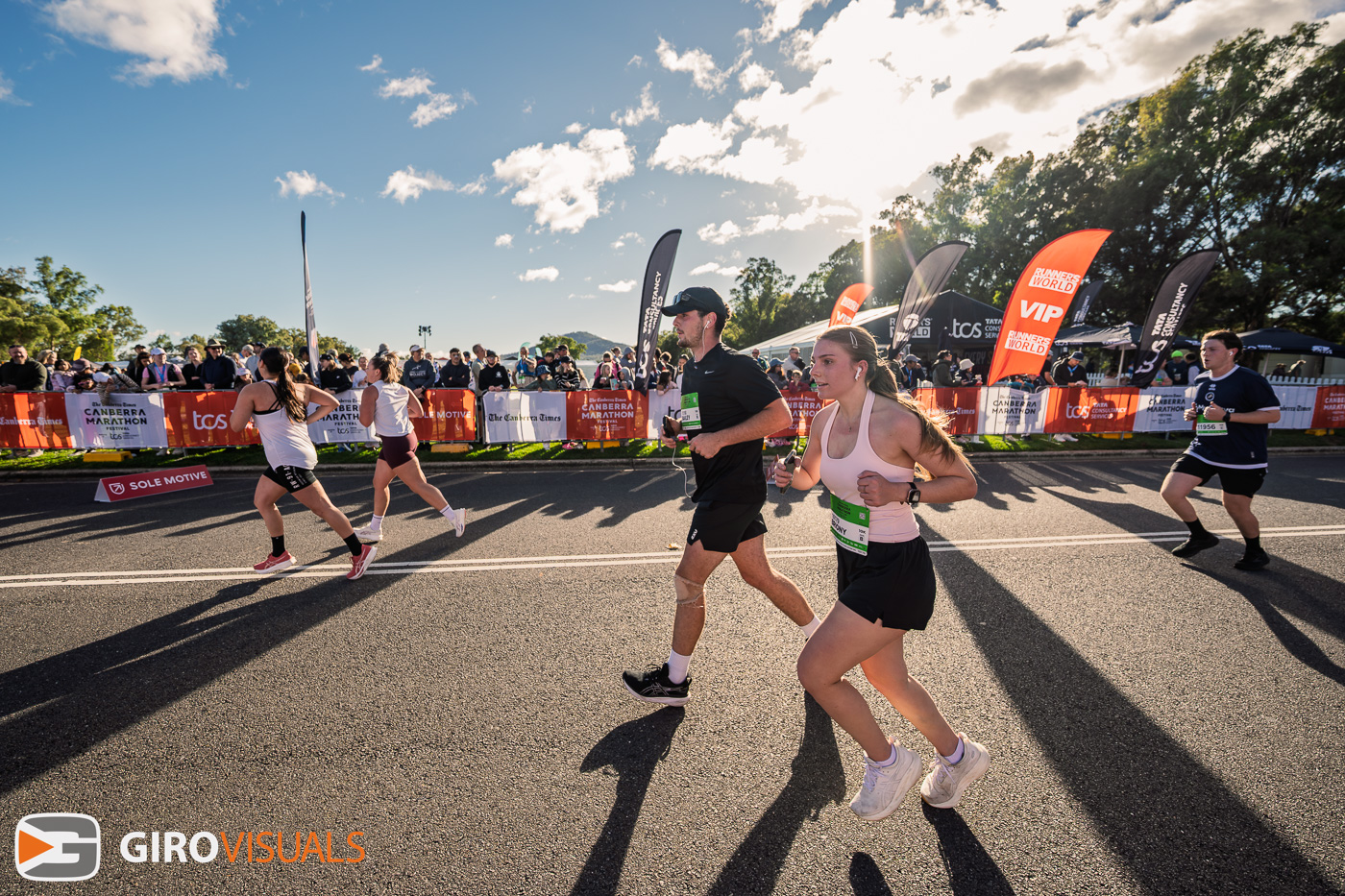
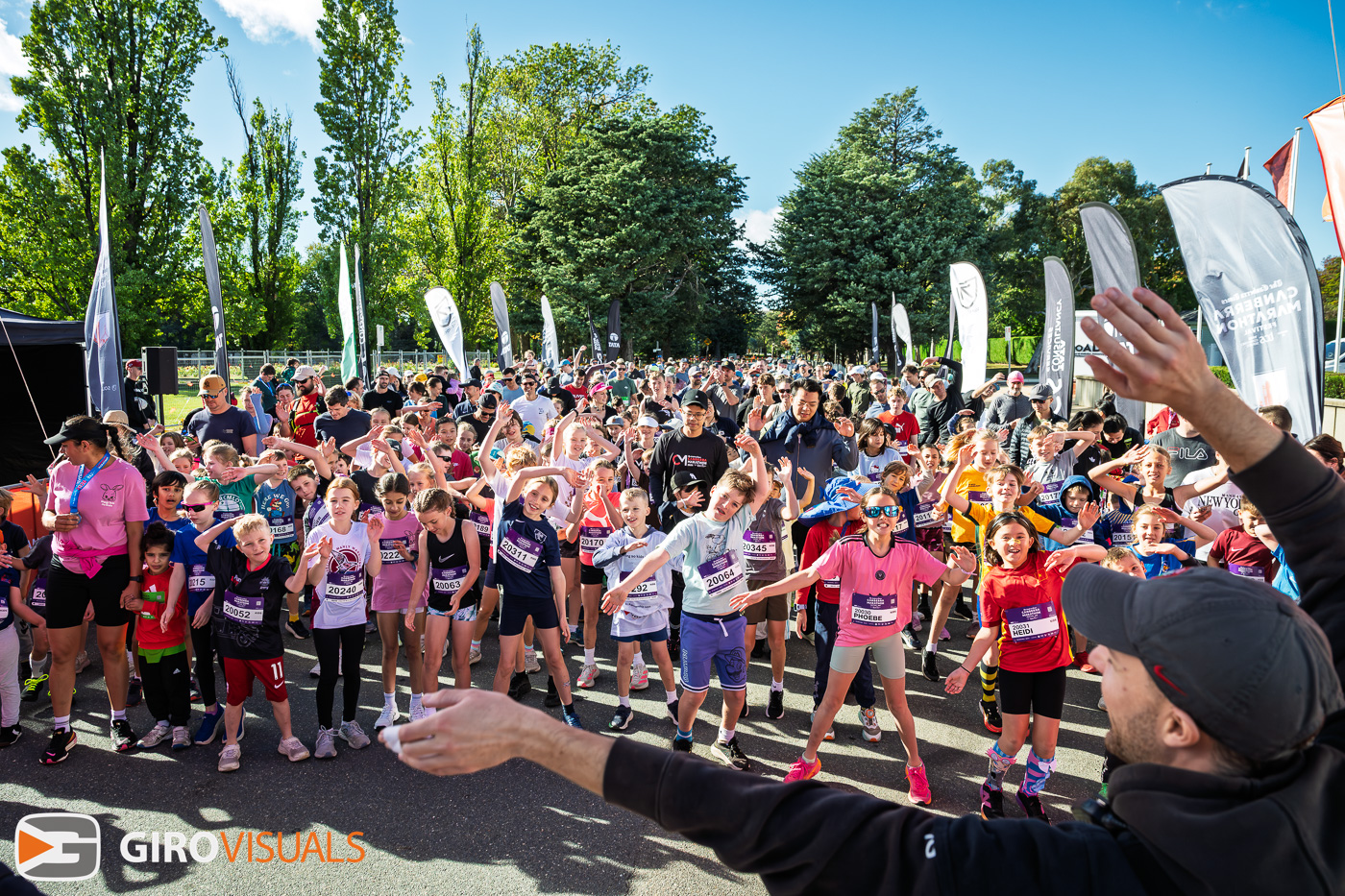
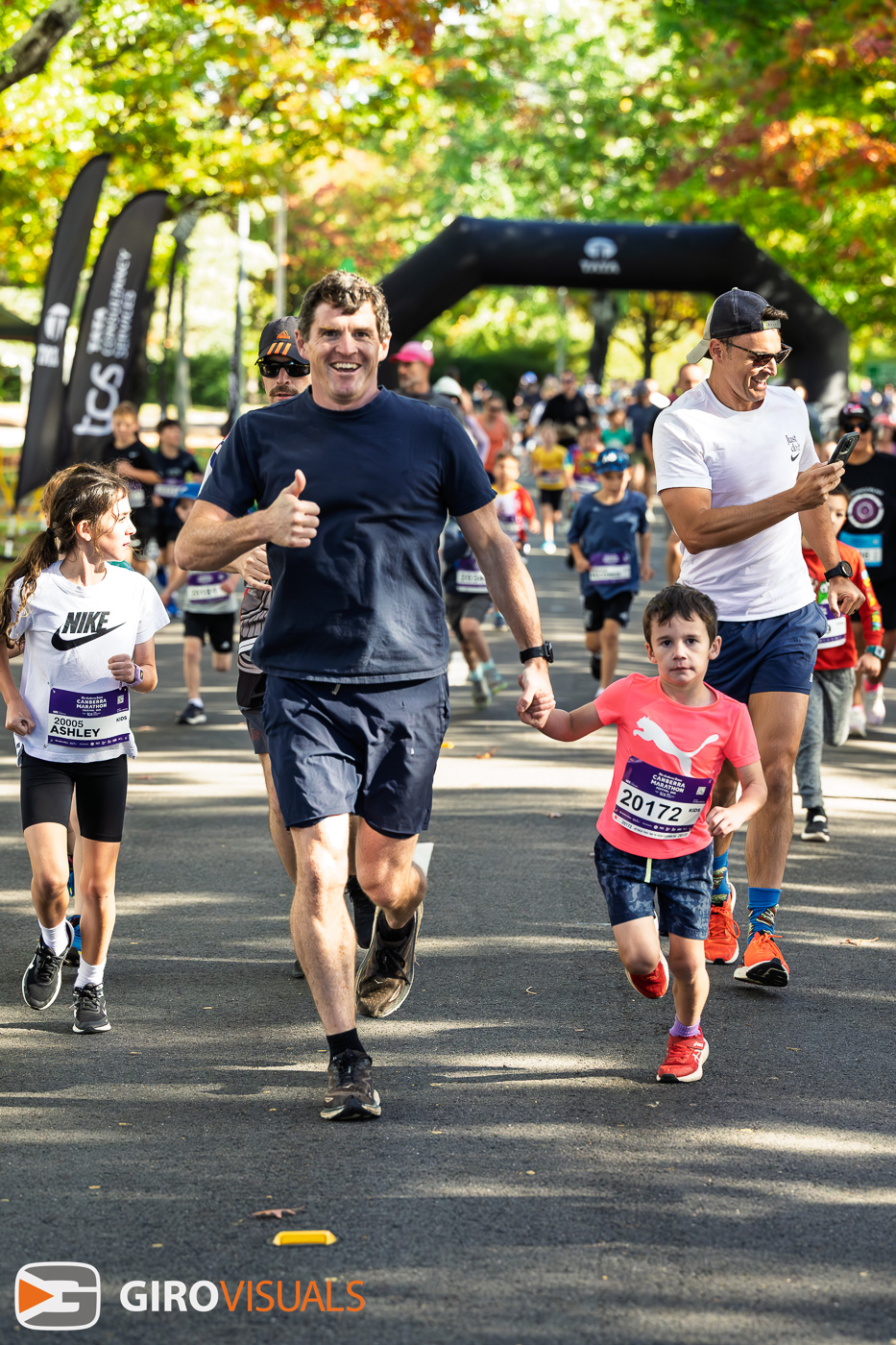
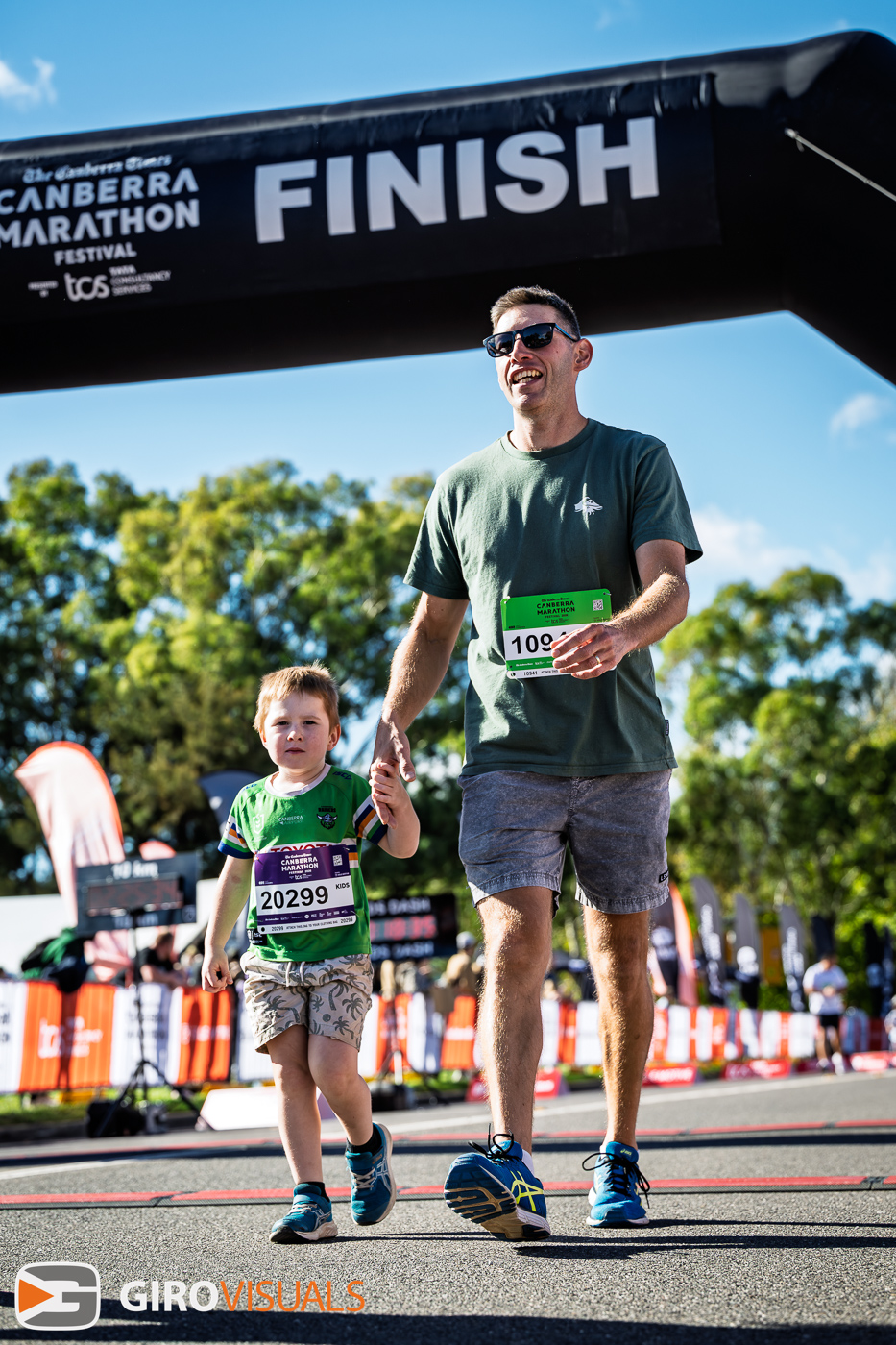
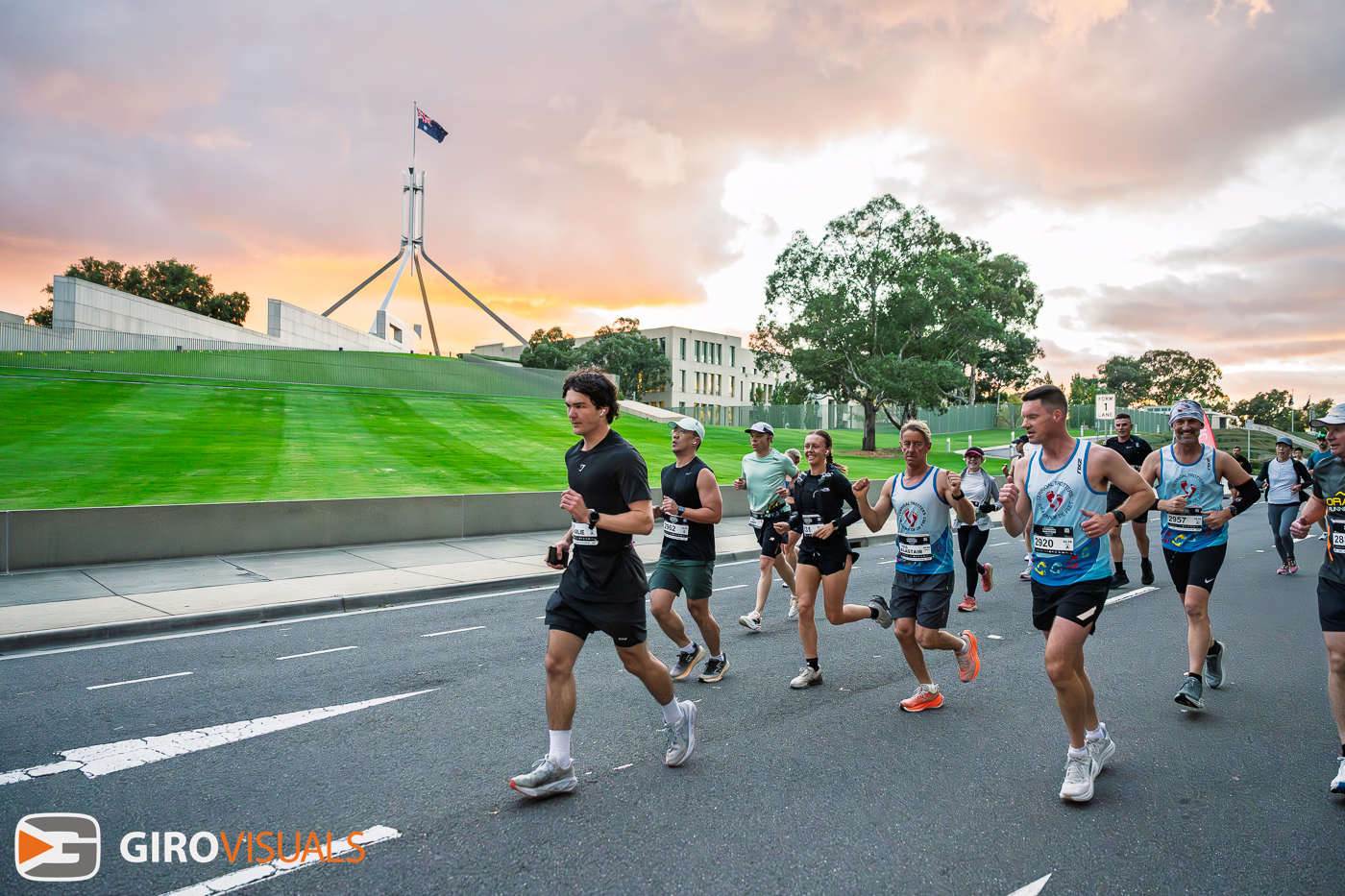
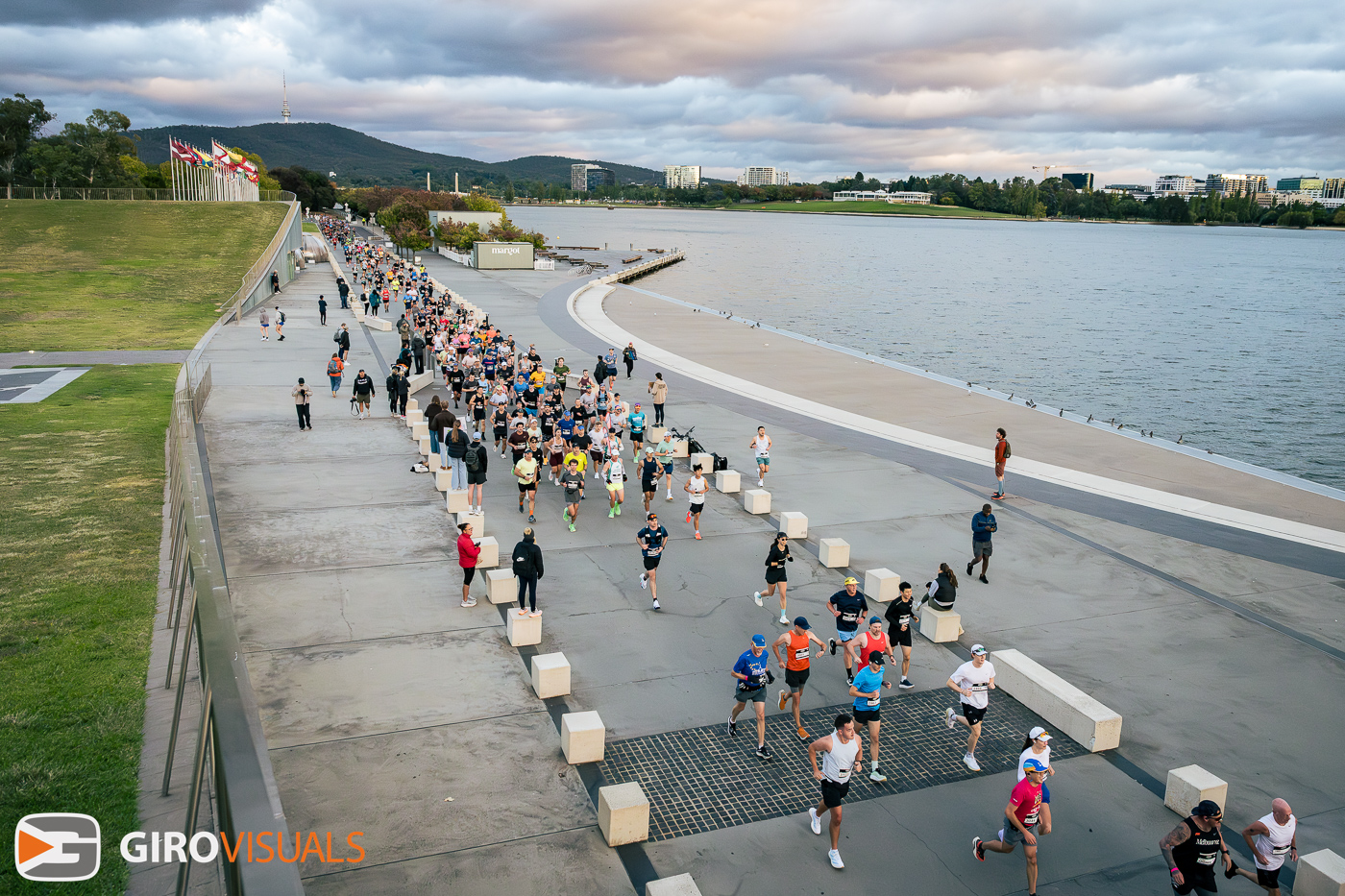
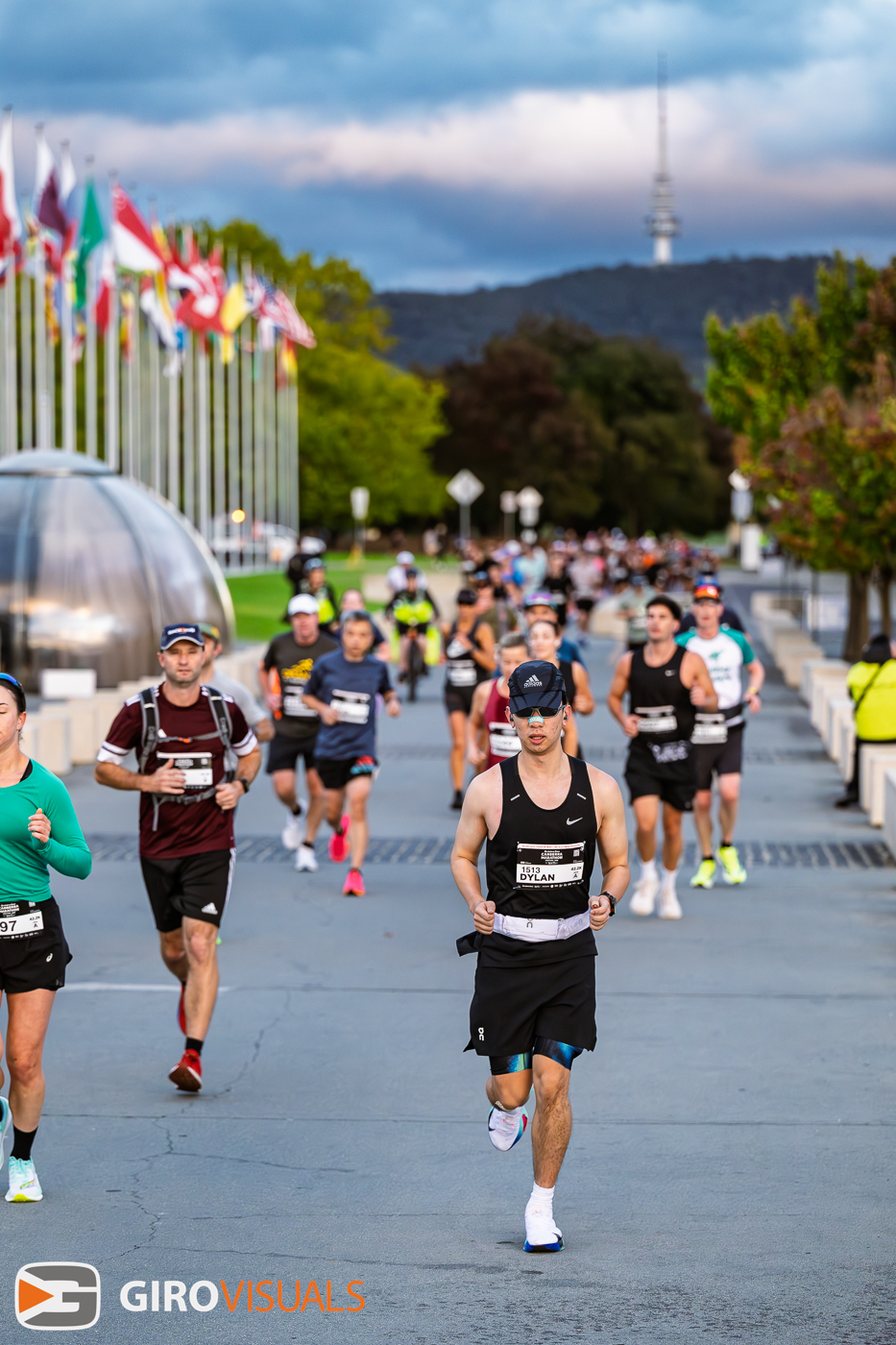
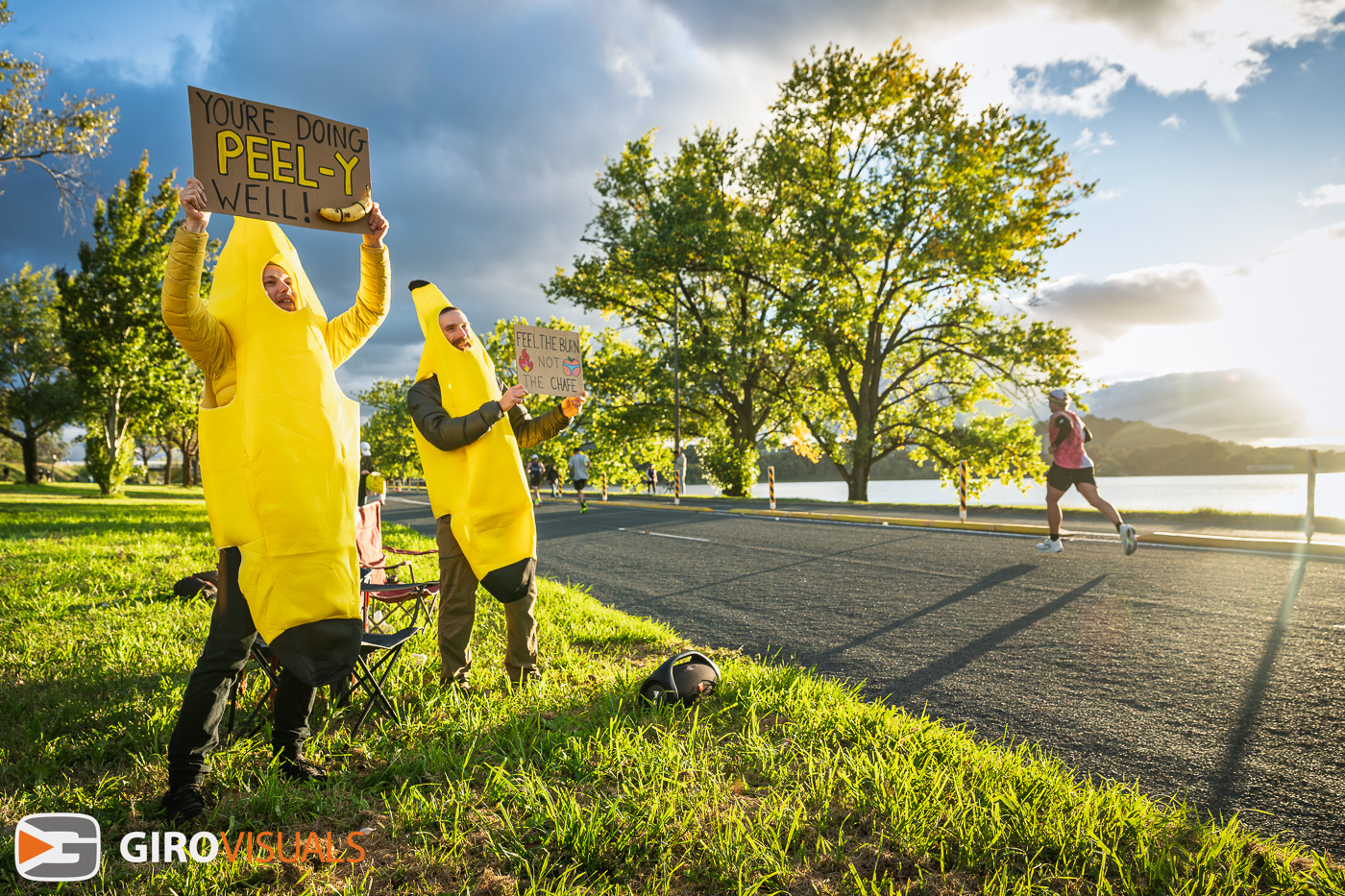
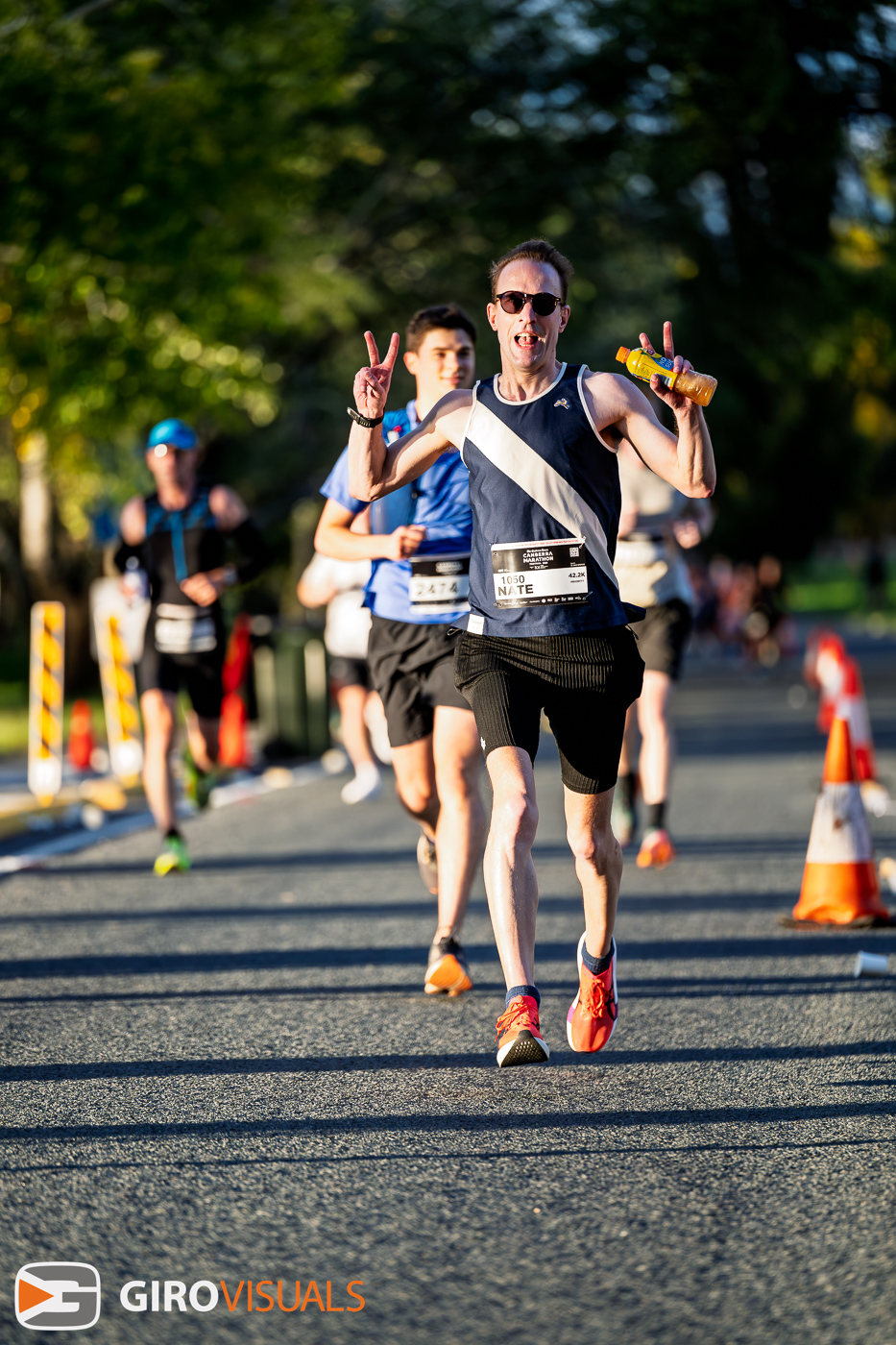
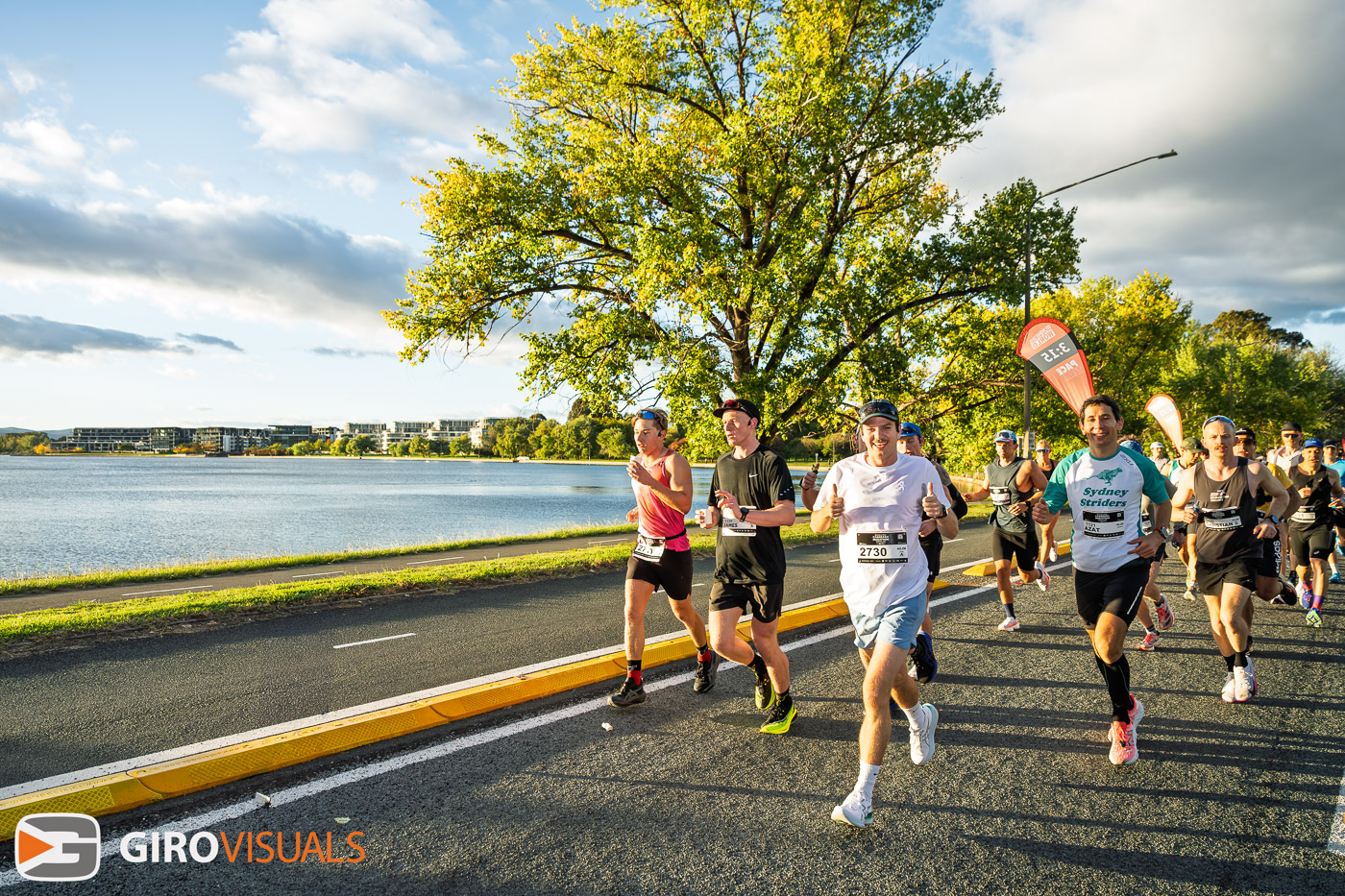
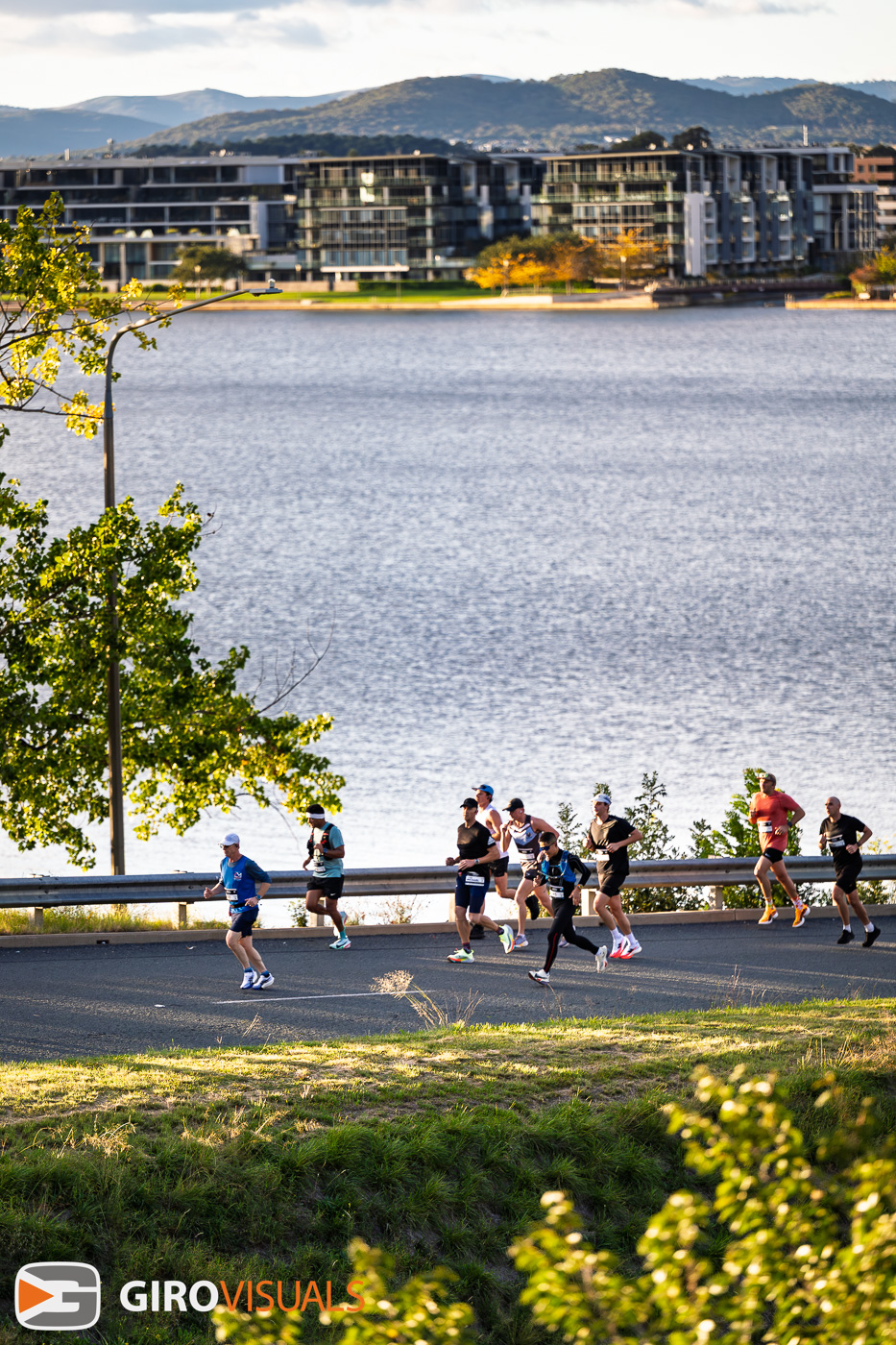
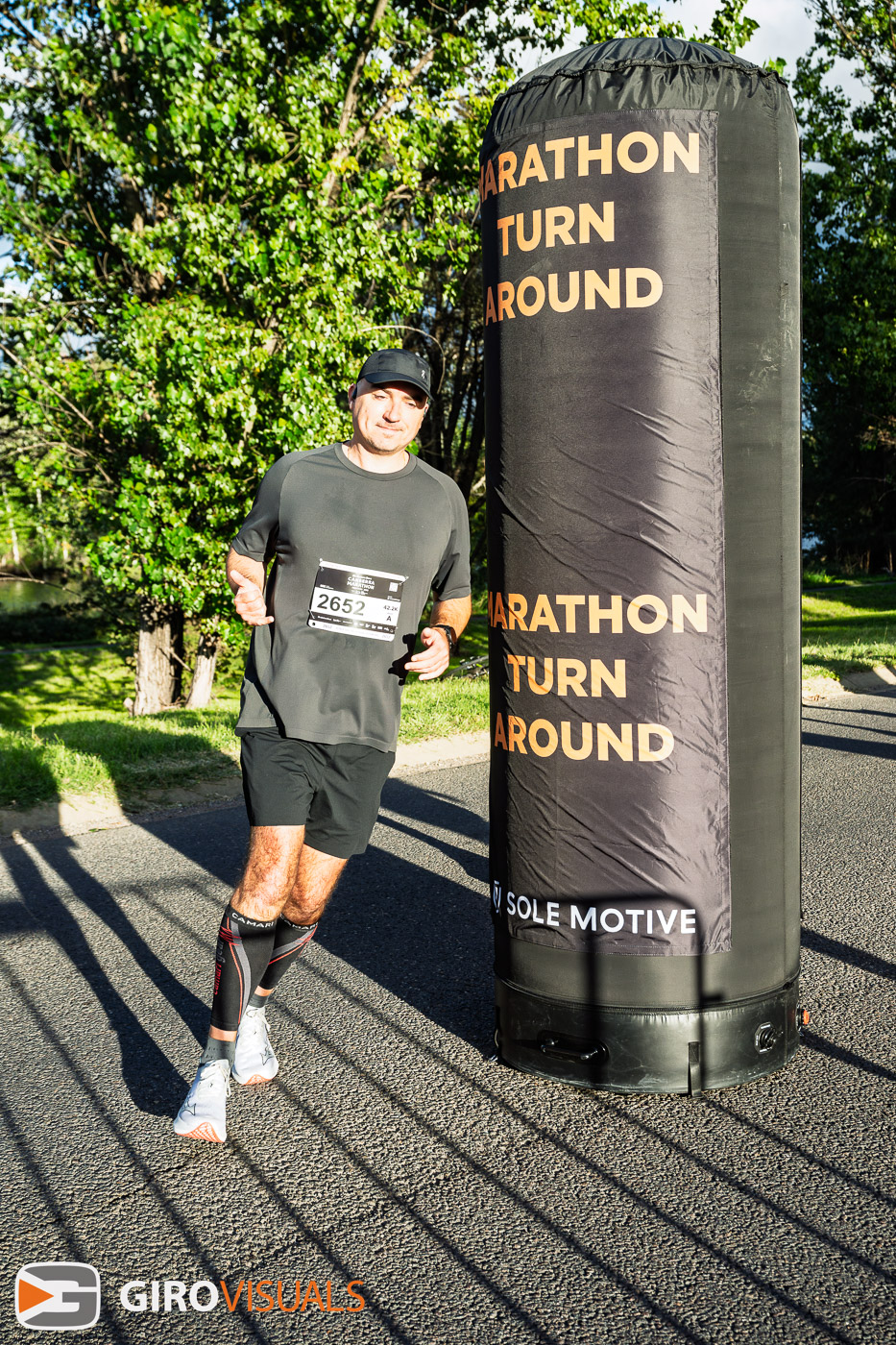
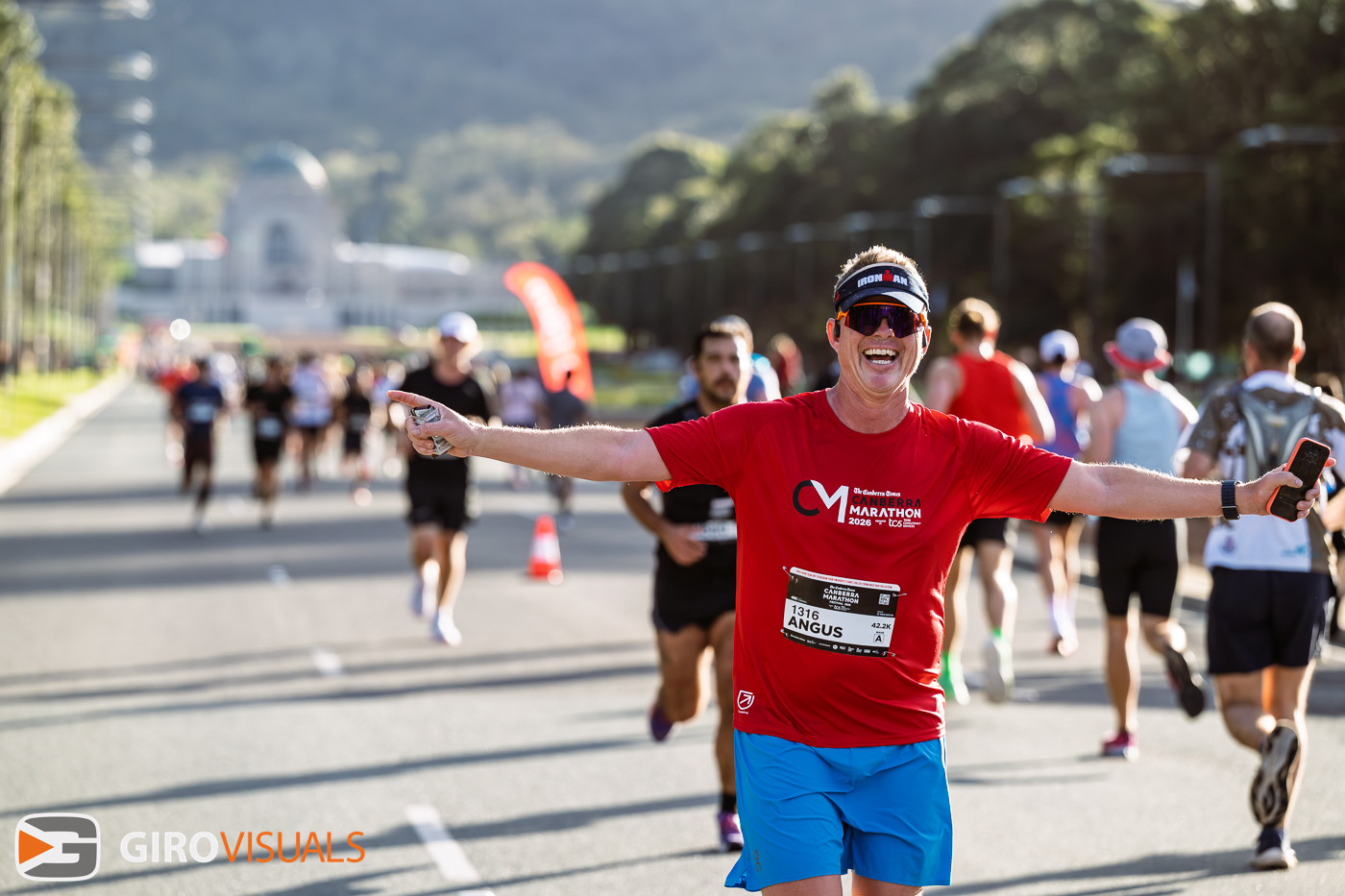
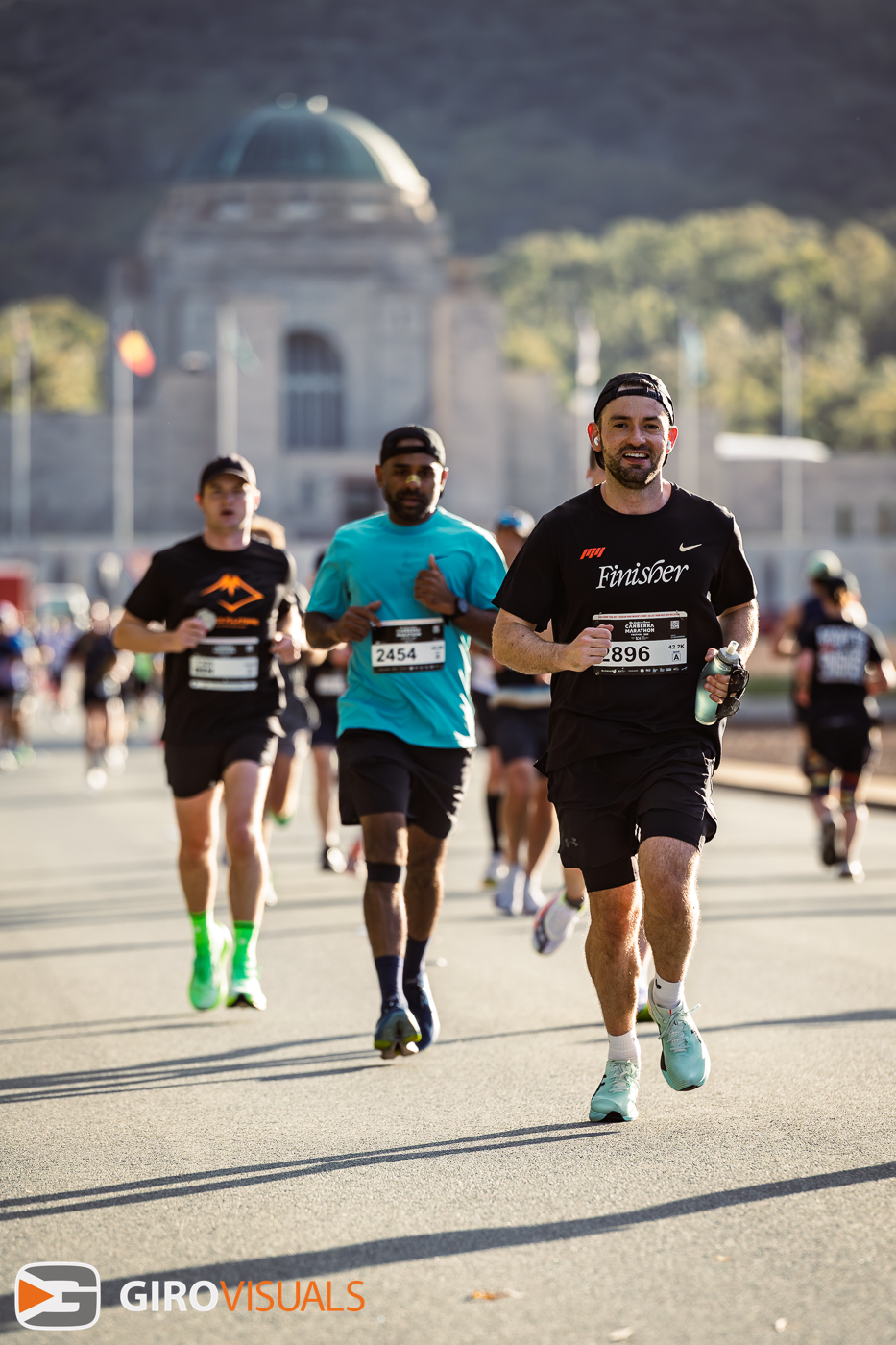
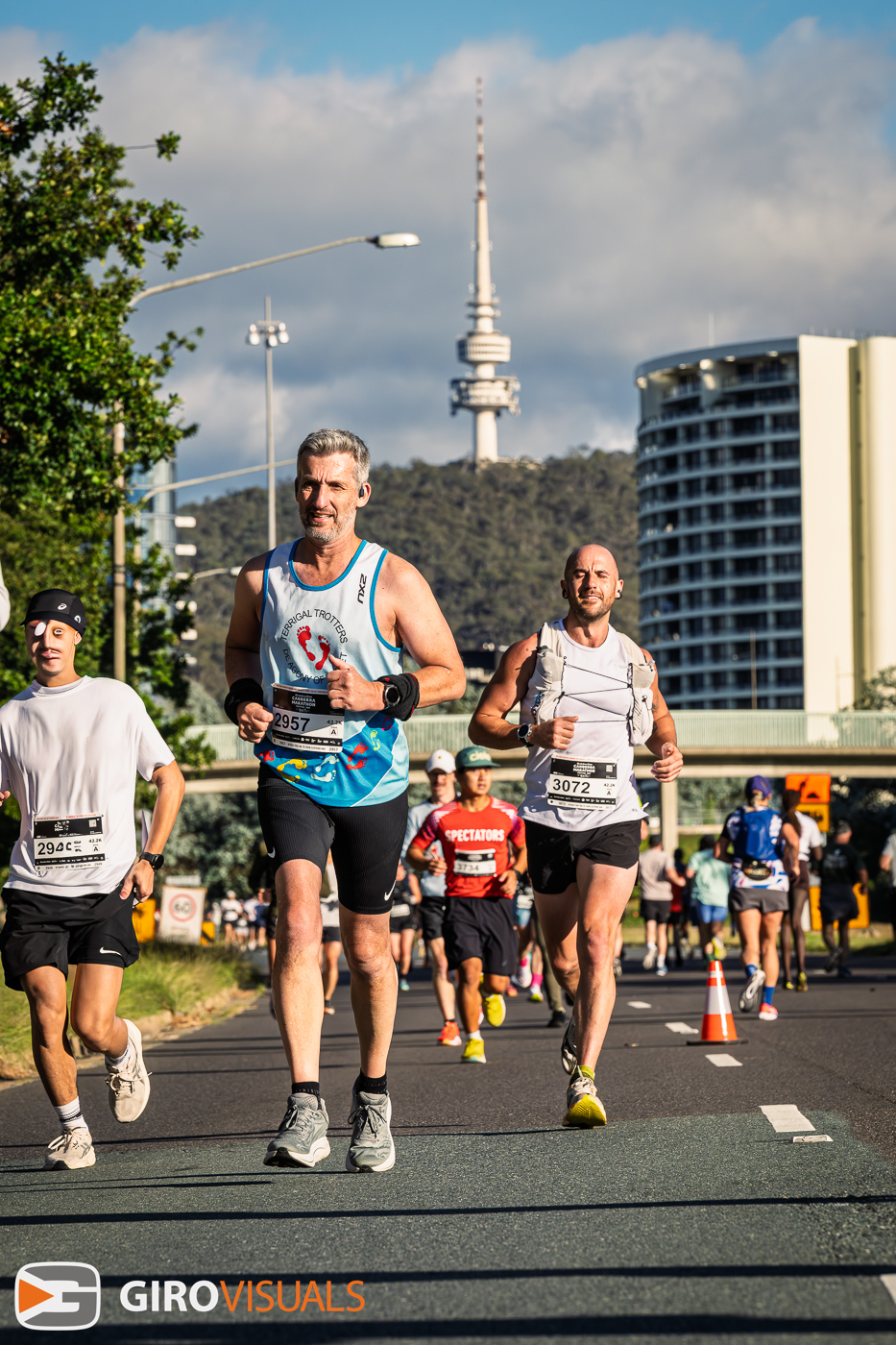
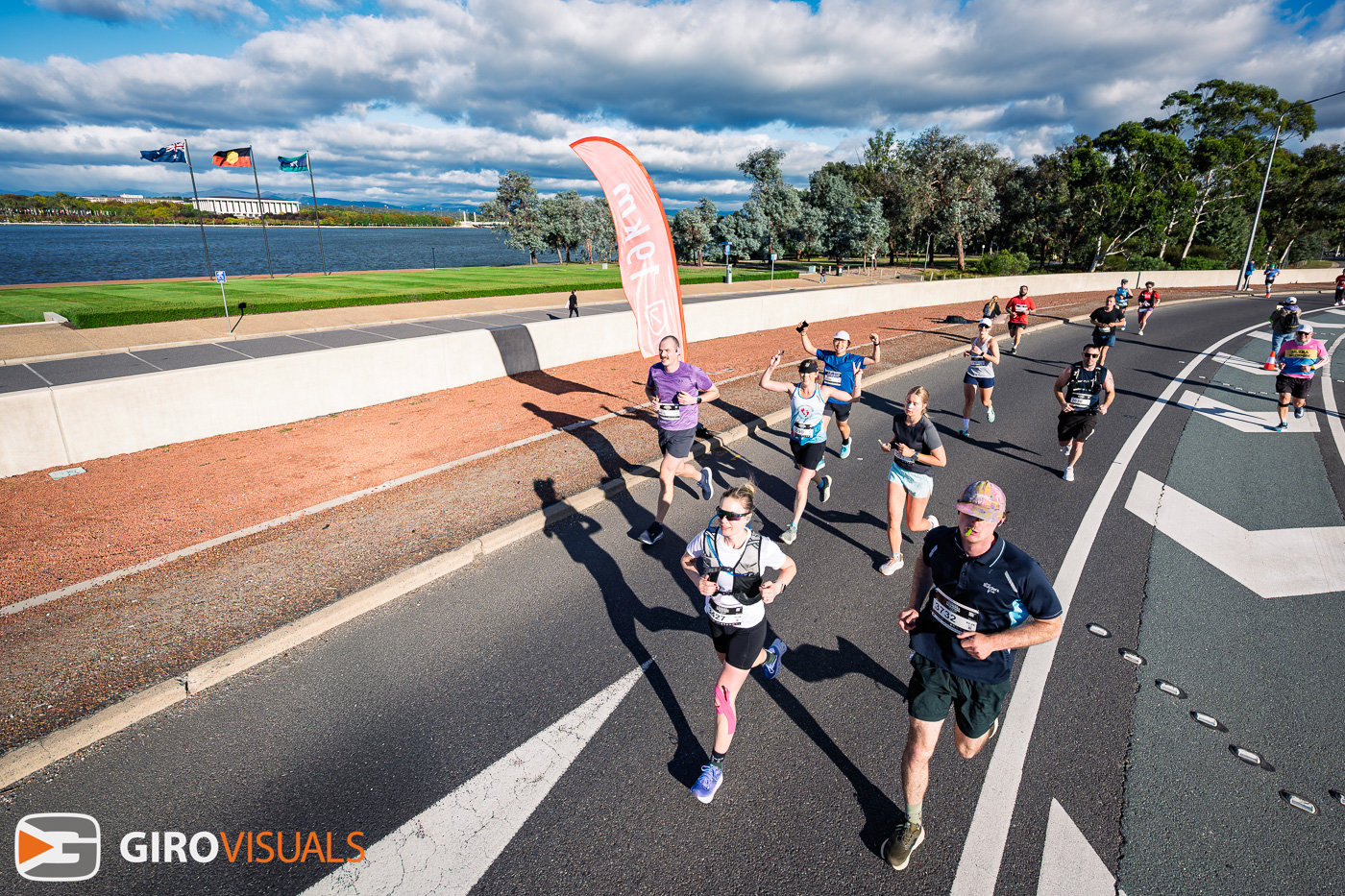
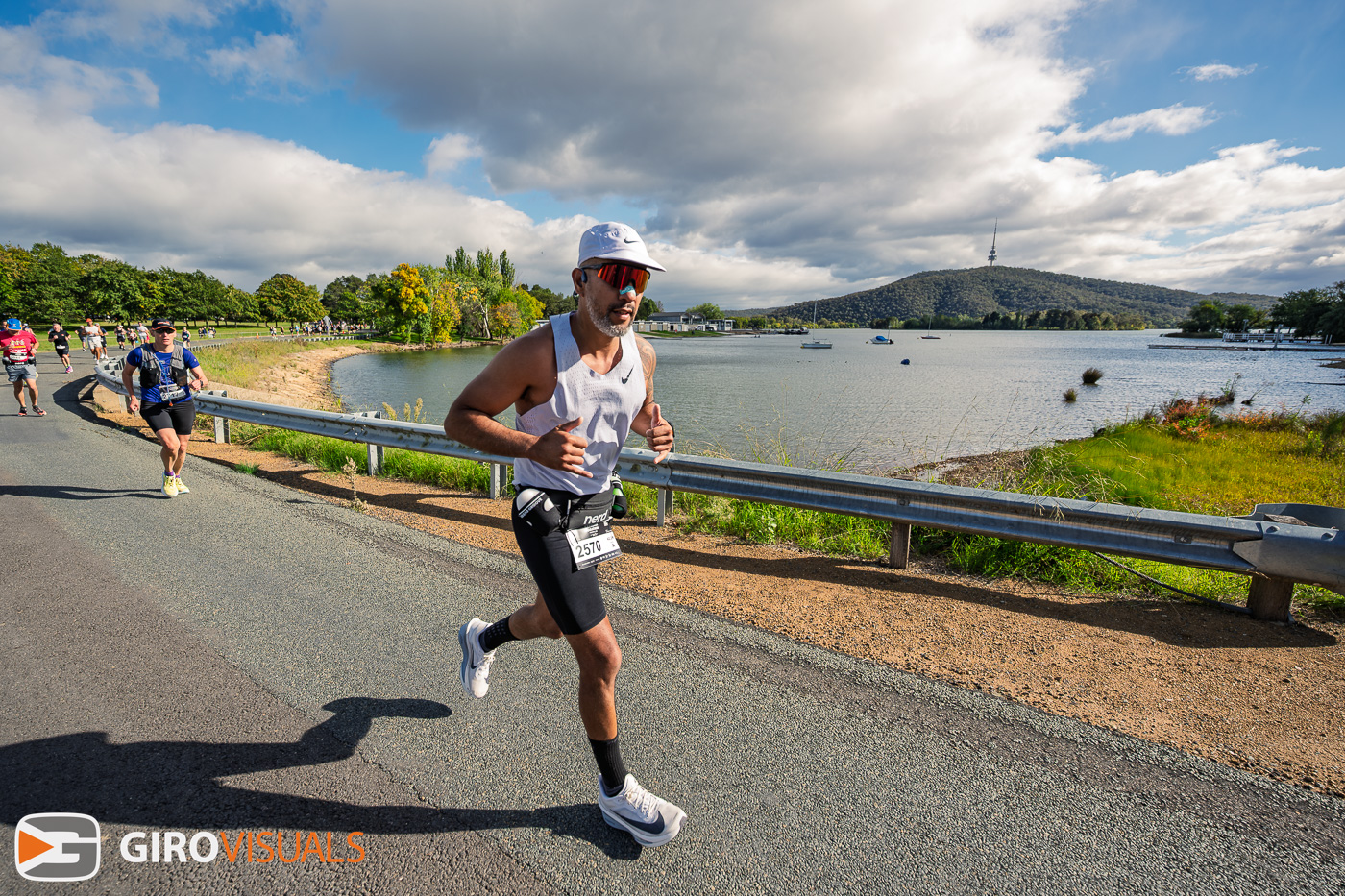
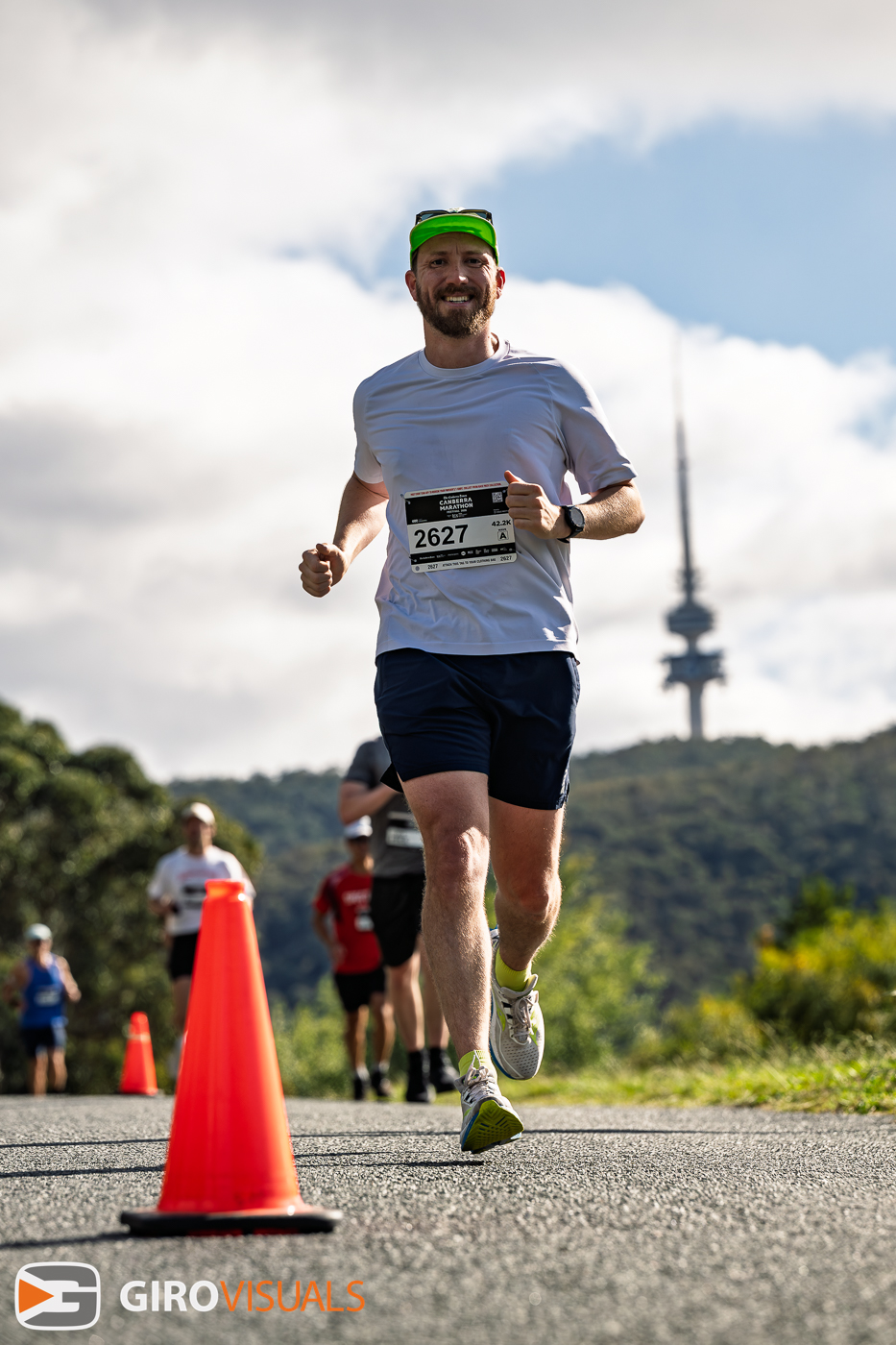
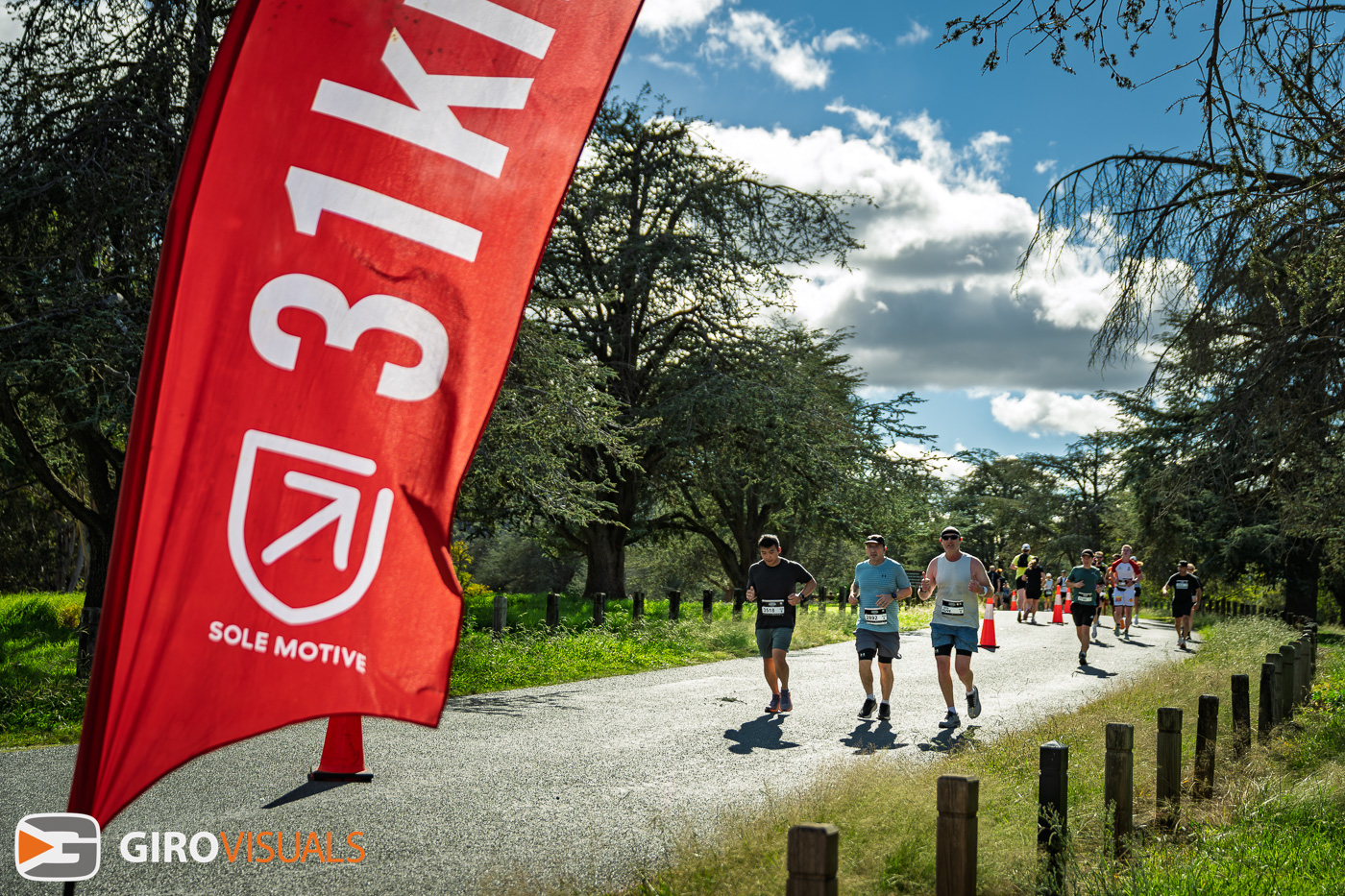
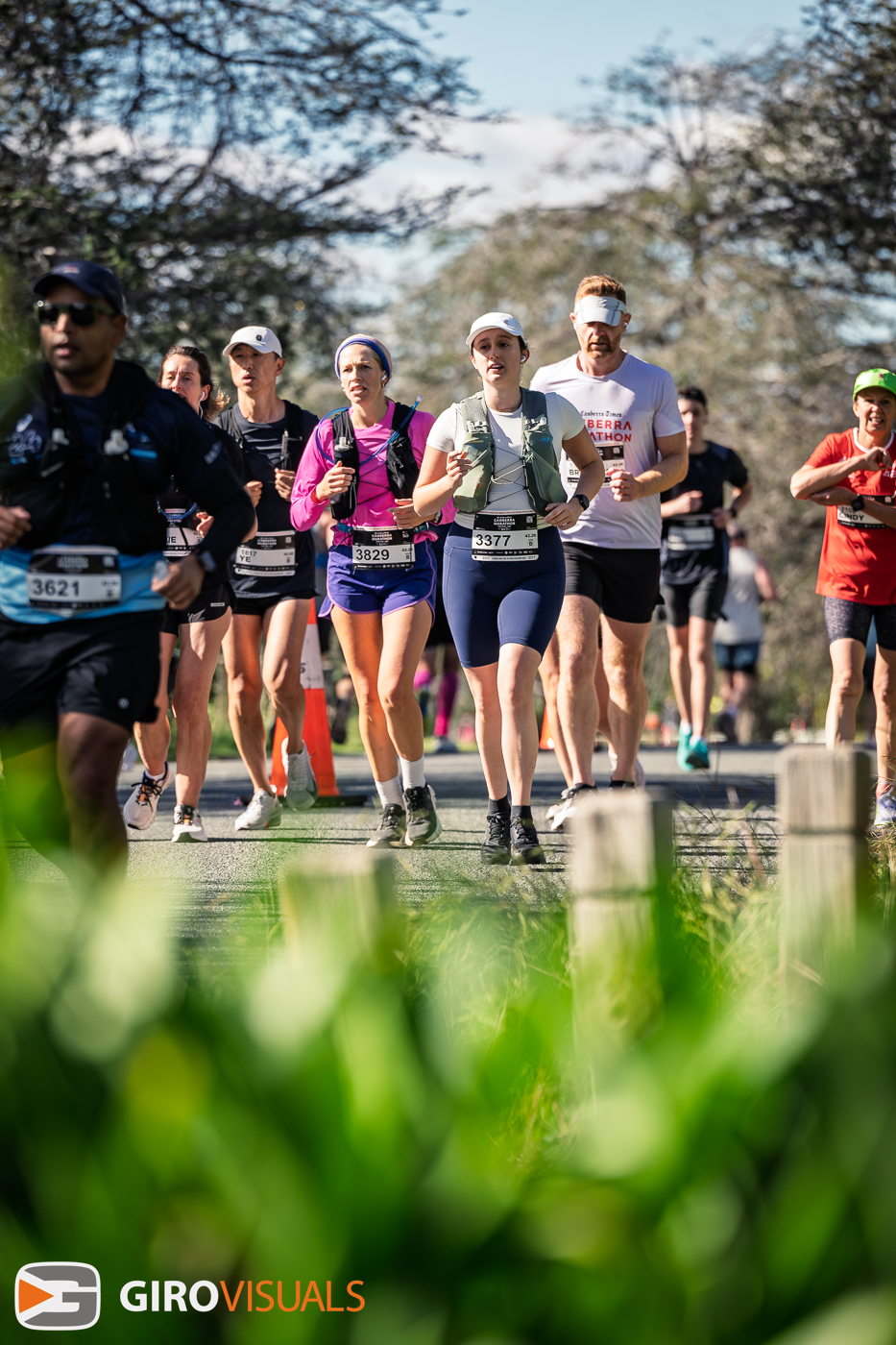
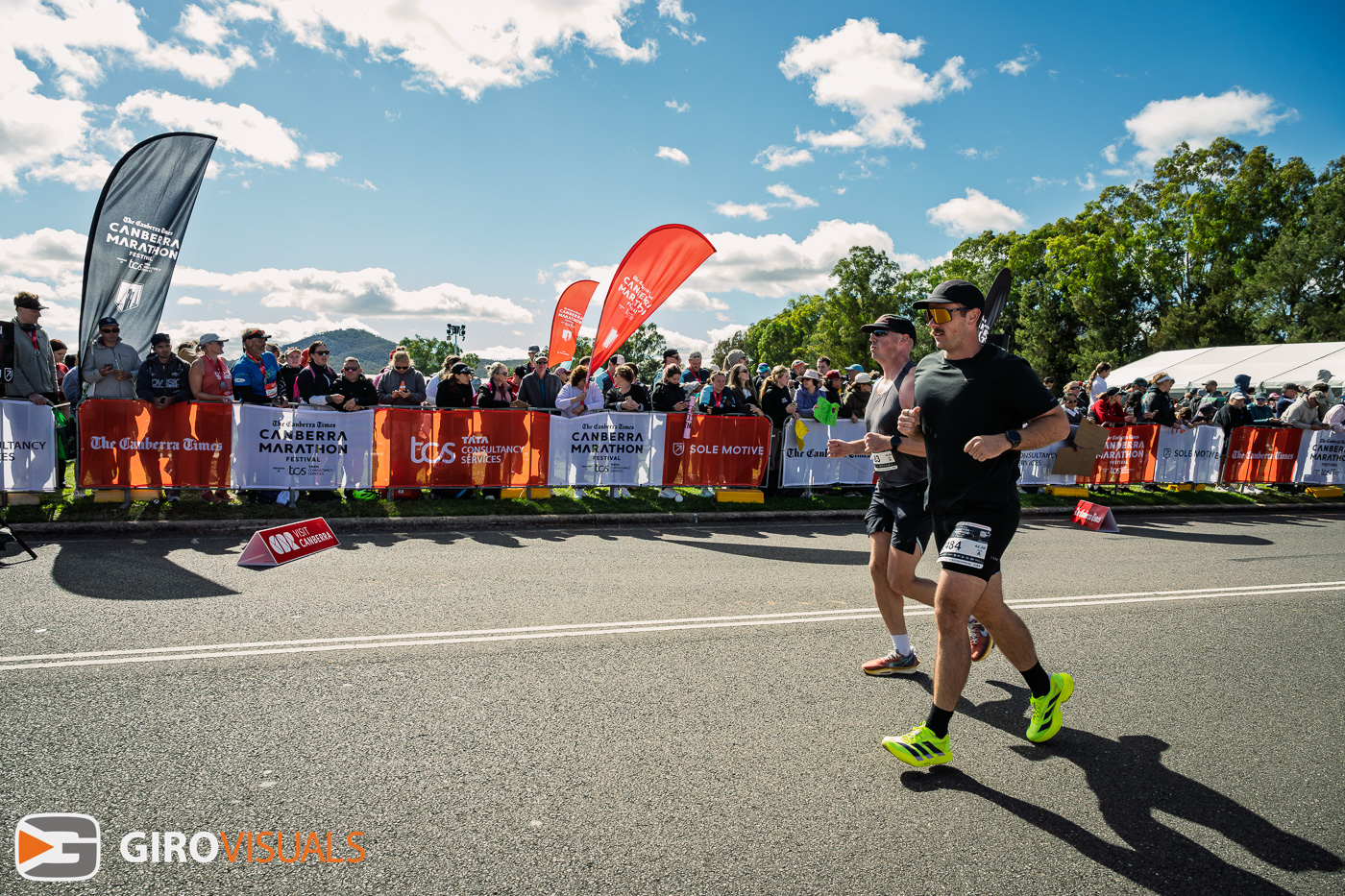
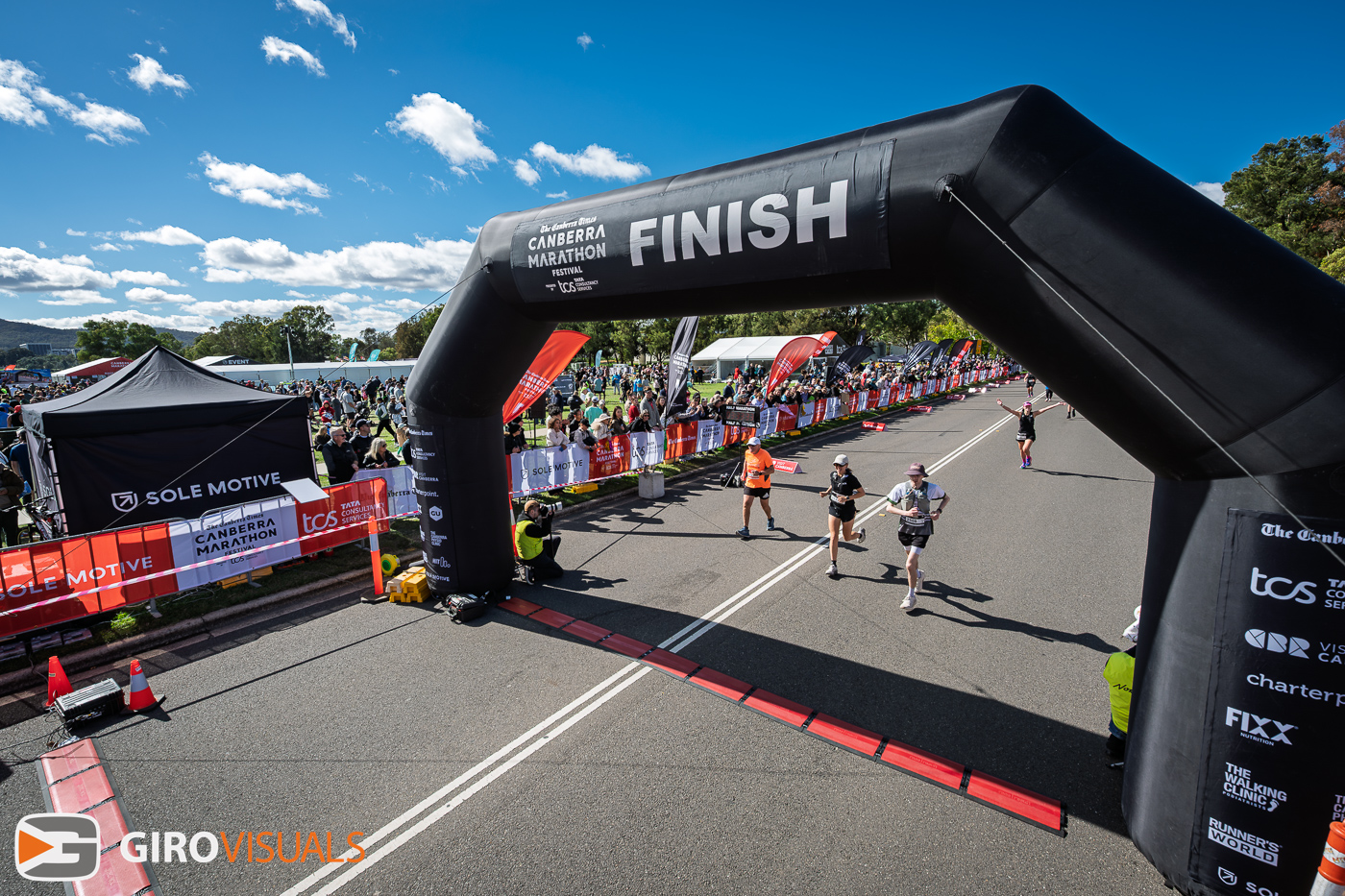
The event runs across two days, and being on-site for both was key to telling the full story. Saturday had a different energy — more relaxed, more community-focused. With the 10km, 5km and kids’ races, the focus shifted toward participation, atmosphere, and everything happening around the event village. It was about capturing the feeling: families, first-timers, the build-up, and the experience beyond the race itself. Sunday was a different challenge altogether. With the half and full marathons underway, the focus moved out onto the course. This meant covering action, endurance, and the defining moments — all while incorporating Canberra’s landmarks to give the images a strong sense of place.
Preparation Creates Opportunity
One thing I’ve learned over years of shooting events is that what you do before the event often defines what you get during it. Arriving a day early allowed me to scout locations, ride sections of the course, and map out potential shooting positions. That meant when the early starts hit (5:30am comes quickly), I wasn’t figuring things out — I was already in position. It’s a small detail, but it’s the difference between reacting and being ready.
Working With the Client
From the outset, working with Sole Motive was seamless. Clear communication, a structured brief, and a strong understanding of what they needed meant I could focus entirely on delivering. That kind of collaboration matters. When the foundations are solid, it creates space to go beyond the brief — to look for moments that aren’t asked for but end up being the most valuable. That’s where experience plays a role: knowing what will matter after the event when the images are used for marketing, promotion, and future growth.
Moving Efficiently to Capture More
Covering an event of this scale requires constant movement. This is where my workflow has evolved. Using an e-bike allowed me to move freely across the course without being restricted by road closures or parking. Over the course of the 3 days, I covered roughly 100km — repositioning quickly, accessing different parts of the course, and capturing a broader range of moments than would otherwise be possible. For the client, that translates to more variety, more usable content, and better overall coverage.
The Outcome
At the end of the day, the goal is simple: deliver images that the client values and can use. The feedback says more than anything else:

Rebecca Penrose
Marketing Campaign Manager